Wisdom Teeth: When to Extract Them and What to Expect from the Procedure
By Dra. Yadira Garza · Dental Surgeon · 2026-06-08 · 7 min read
Wisdom Teeth: When to Extract Them and What to Expect from the Procedure
Tag: Extractions
Reading time: 7 min
Turning twenty and feeling a vague discomfort in the back of the jaw is an experience shared by many patients in Monterrey. It is not anxiety, nor is it a mysterious illness; in most cases, it is the third molars making their appearance. In the office, we see patients every week who have been ignoring a nuisance for months—something that might not keep them awake at night but definitely prevents them from properly chewing their weekend carne asada or opening their mouths comfortably during the day. The truth is that wisdom teeth are the most consulted dental topic and, at the same time, one of the most misunderstood. The idea that all of them must be removed preventively, or conversely, that none require attention, are extremes not supported by current clinical evidence. What matters is not fearing the procedure, but understanding that this decision is based on each person's individual anatomy, the available space in your jaw, and the health status of those teeth and their neighbors. In this article, we will break down, without unnecessary jargon, when extraction is truly necessary and what you can expect step by step if you decide to take the next step.
Anatomy and position: not all wisdom teeth are the same
To understand why they sometimes need to be extracted and other times not, we must first look inside the mouth. Third molars are the last teeth to erupt, generally between the ages of 17 and 25. Unlike other teeth, they do not have predecessors in the primary dentition, which means their development is entirely independent and often disordered. The modern human jaw is, on average, smaller than that of our ancestors, creating a space problem: often, there is simply no physical room for these teeth to emerge in a correct position. When this happens, we speak of impacted teeth. An impacted tooth is one that fails to fully emerge into the oral cavity. It may remain completely enclosed in the bone (bone-impacted), or it may have emerged slightly but be halted by the gum tissue or by the adjacent tooth (soft-tissue or tooth-impacted). Position is key. If the tooth grows forward, pushing against the second molar, it can damage the root of that healthy tooth or create a pocket where food and bacteria accumulate, leading to recurrent infections or cavities in the neighboring tooth. However, not all horizontally positioned teeth are problematic. There are cases where the tooth is contained within the bone, does not touch the roots of healthy teeth, shows no signs of cysts or infection on X-rays, and the patient experiences no pain. In these specific scenarios, evidence suggests it may be valid to keep it under periodic monitoring rather than extracting it immediately.
Tip: A complete panoramic X-ray is not optional, it is fundamental. With it, we can see not only if the tooth is emerging
but also its exact angle, depth in the bone, and, most critically, its relationship with the mental nerve that runs through the lower jaw. Without that image, any decision is a blind guess.
Warning signs: when a wisdom tooth asks for help
Patience is a virtue, but in dentistry, ignoring the symptoms of a problematic wisdom tooth rarely ends well. The most common condition bringing patients to our office is pericoronitis. This occurs when the tooth erupts partially, leaving a small gap between the tooth and the gum. This breach is a paradise for bacteria, as it is nearly impossible to clean correctly with a conventional toothbrush. The accumulation of plaque and food debris causes an infection in the gum covering the partially erupted tooth. The symptoms are quite characteristic, and patients often describe a feeling of fullness in the back, pain that can radiate to the ear or throat, difficulty opening the mouth completely (mild trismus), and sometimes a bitter taste or pus if the infection has formed a small abscess. Another silent but dangerous alarm sign is root resorption of the second molar. If the wisdom tooth grows at a steep angle and constantly presses against the root of the adjacent tooth, it can start to "eat away" that root structure. This does not hurt until it is advanced, so early detection depends entirely on control X-rays. We must also watch for the formation of dentigerous cysts. Although less frequent, the sac surrounding the crown of an impacted tooth can fill with fluid and expand, destroying the surrounding jawbone. This process is slow and generally painless, making it insidious. In the office, we focus on preventing a mechanical problem from becoming a serious biological one. If you already have recurrent pain, frequent swelling, or have had more than one episode of infection in the wisdom tooth region, the window for controlled extraction is open, and it is not advisable to close it with temporary antibiotics.
The extraction procedure: what to do and what to expect
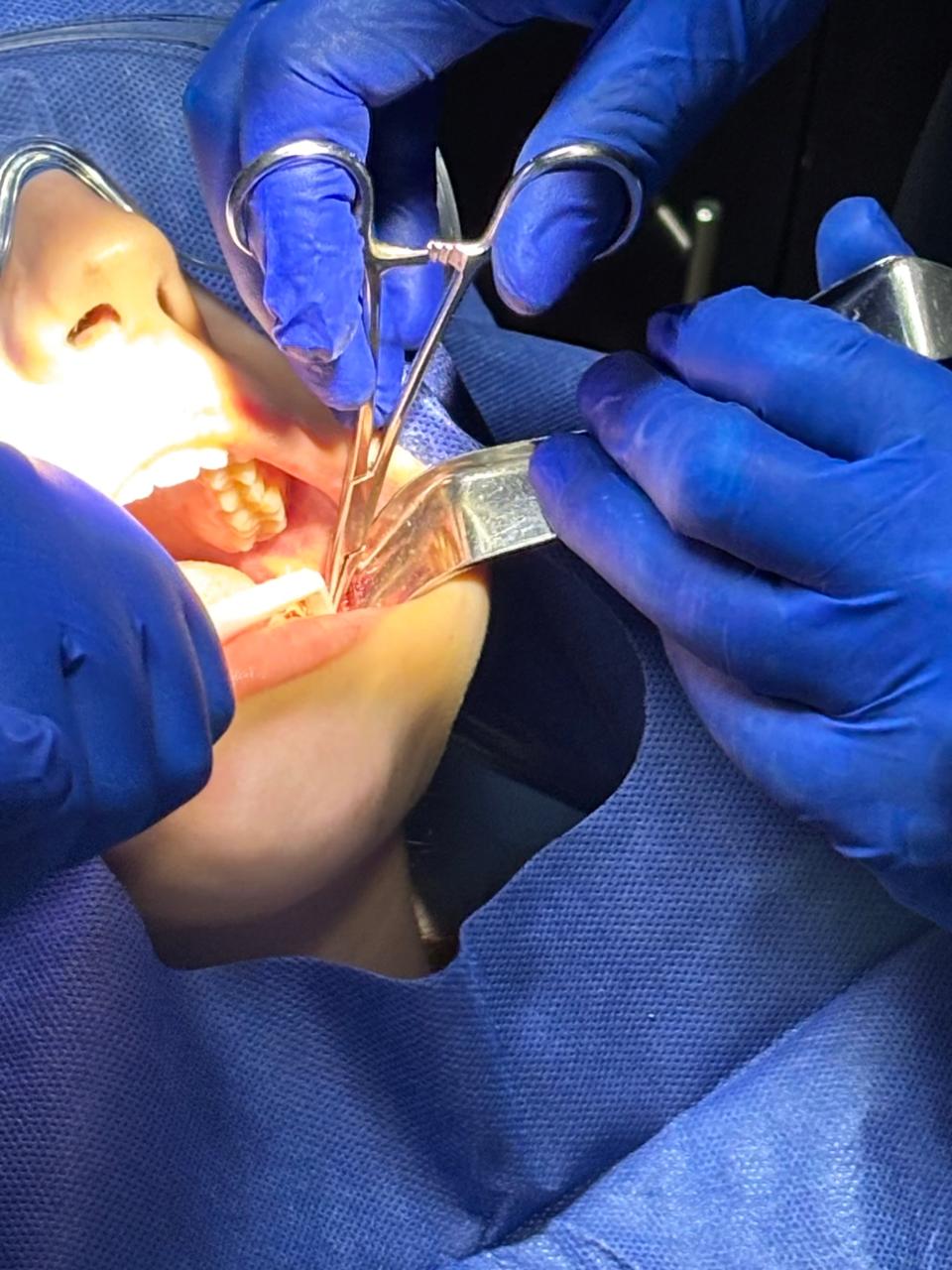
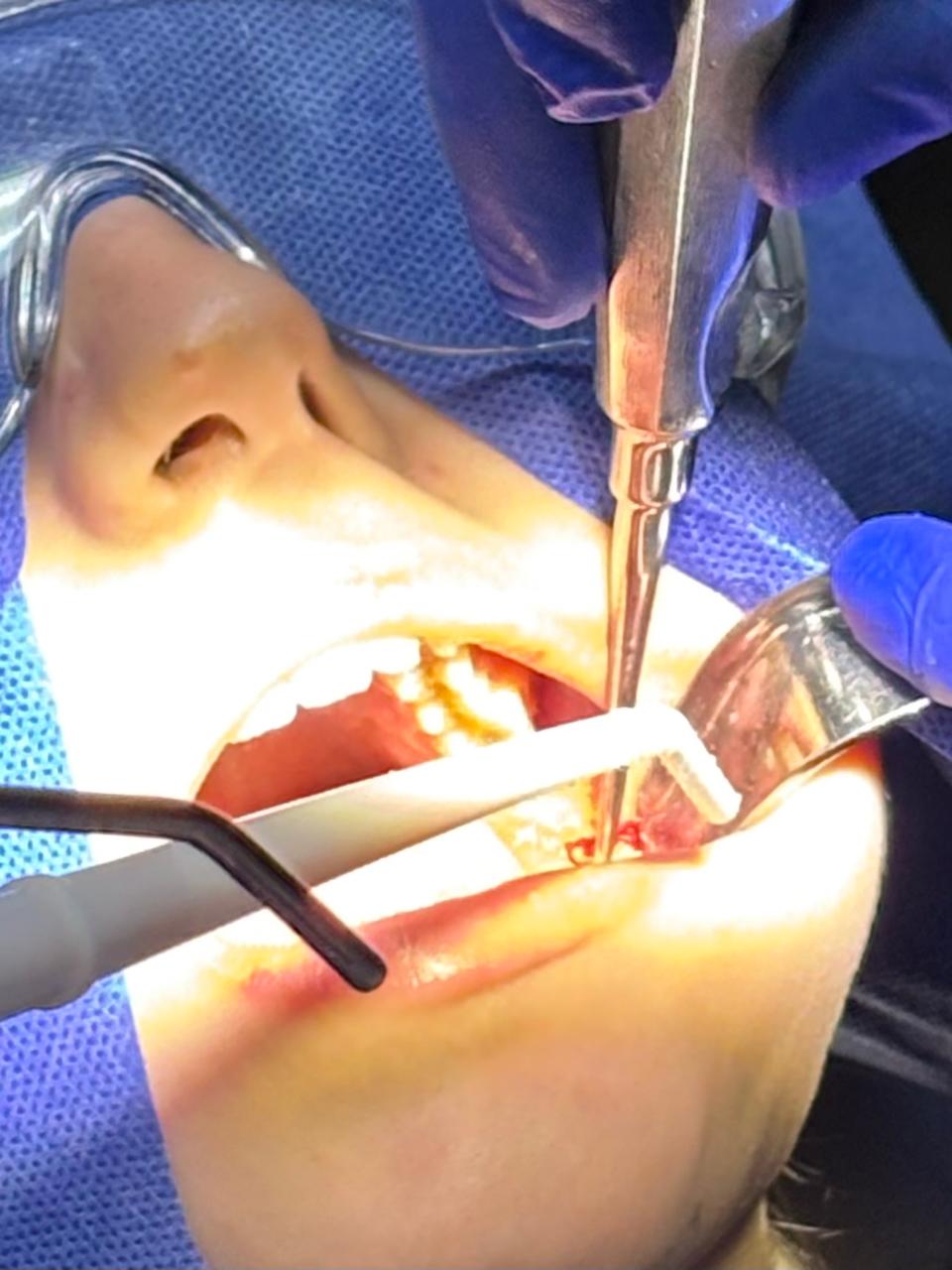
Understanding what the surgery entails helps greatly in reducing preoperative anxiety. The extraction of third molars, especially if they are impacted, is a minor surgical procedure, but it is surgery nonetheless. It is not the same as pulling a baby tooth, nor even extracting a decayed premolar. First, sedation. Here in Monterrey, for patients with high anxiety or for cases where all four wisdom teeth need to be extracted in a single session, we often resort to conscious sedation administered by a certified professional. This does not mean you are asleep as in general hospital anesthesia; you are relaxed, feel no pain, and do not remember the procedure, but you breathe spontaneously. For simple extractions or patients with low anxiety, traditional local anesthesia is more than sufficient to leave the area completely numb. The dental surgeon starts by making incisions in the gum to lift a flap and expose the bone covering the tooth. If the tooth is trapped in the bone, small amounts of bone are removed with piezoelectric equipment to free it. The next step is sectioning the tooth. We rarely remove a wisdom tooth in one piece. It is safer and less traumatic to divide it into fragments (crown and roots separately) to remove it piece by piece, thereby protecting the surrounding soft tissues and bone. Once the tooth is out, the cavity is rinsed with sterile saline solution to remove any bone or tissue fragments. Finally, absorbable sutures are placed, which do not need removal as they disappear on their own within a couple of weeks. The procedure time varies greatly: an upper tooth that has already erupted may take five minutes; a lower fully impacted tooth near the nerve can take forty minutes or more. What remains constant is that, upon completion, we will give you clear instructions and medications for pain and inflammation if necessary.
Recovery and home care: the key to a good outcome
The quality of your recovery depends 50% on what we do in the chair and another 50% on what you do at home during the first seven days. The post-operative period has strict rules for a biological reason: we need a blood clot to form and remain in the socket where the tooth was. That clot is the template upon which new tissue grows. If it falls out or becomes infected, we can develop something called dry socket (alveolitis), a painful complication that delays healing. To protect that clot, the golden rules are clear. First, absolute rest of the area. Do not engage in physical exertion, do not bend over excessively, and avoid activities that raise blood pressure. Second, and this is where most patients in Monterrey fail due to the heat and local cravings: DO NOT use a straw. The vacuum you create by sucking can dislodge the clot. Drink your liquids directly from the glass, carefully. Third, soft diet, lukewarm or cold. No spicy foods, no seeds (such as those from watermelon or grapefruit) that could get trapped in the wound, and no very hot foods that increase bleeding. A good recovery menu includes yogurt, smoothies (drunk without a straw, of course), cold soups, or purees. Swelling is a natural part of the process and usually peaks between the second and third days. Using ice packs on the cheek (20 minutes on, 20 off) during the first 24 to 48 hours helps control it. It is normal for swelling not to be symmetrical; one cheek may swell more than the other depending on the difficulty of the extraction. Oral hygiene should be resumed gently. The day after surgery, you can start brushing your teeth while avoiding the operated area, and from the third or fourth day onward, you can do very gentle rinses with warm saline water (a teaspoon of salt in a glass of water) to keep the area clean without scrubbing. It is vital that you respect the timing and do not attempt to clean the socket with strong commercial rinses like concentrated chlorhexidine unless specifically prescribed, as they can irritate the wounds in the first few days.
Timing and complexity factors: planning ahead
Talking about healthcare costs is inevitable, and being transparent helps us make better decisions. The cost of wisdom tooth extraction is a procedure whose price can vary significantly depending on complexity. We cannot give a fixed price over the phone because it depends on whether the tooth is visible, semi-impacted, or fully within the bone, the angle, proximity to the nerve, and whether sedation is required. However, we can tell you that a simple extraction has a considerably lower cost than surgery for impacted teeth, and extracting all four at once is often more time-efficient than scheduling four separate appointments. The advantage of addressing it on time is that at a younger age, the bone is more elastic and the roots of the wisdom teeth are less formed, which facilitates extraction and reduces recovery time. Waiting until your 30s or 40s to remove them, if it turns out they need to be, usually implies more complex surgery, slower recovery, and a slightly higher risk of complications. Besides the economic factor, there is the time factor. At Centro Médico Obispado, our patients often schedule the procedure for Fridays or Mondays, taking advantage of the weekend or a day off for acute recovery. Most people return to work or school within 2 to 4 days, provided their job is not physically demanding. If your work involves talking a lot, lifting heavy objects, or exertion, it is prudent to take an extra day of rest. Planning also includes reserving time for the post-operative review if any, which is generally performed a week later to evaluate healing and, if necessary, remove sutures that have not been absorbed.
Practical summary
Not all wisdom teeth need to be extracted; the decision depends on their position, health, and risk of future complications, evaluated through X-rays.
Pericoronitis (infection of the gum covering the tooth) is the most common sign that a wisdom tooth is problematic and requires professional attention.
The procedure is minor surgery; sedation is a safe and effective option to reduce anxiety, especially if all four teeth are extracted at once.
Successful recovery strictly depends on protecting the blood clot: avoid using straws, do not engage in physical exertion, and maintain a soft diet during the first week.
The older you are, the more complex the extraction becomes and the slower the recovery; getting evaluated on time not only facilitates surgery but also optimizes costs.
Dr. Yadira Garza — Dental Surgeon, UANL. 22 years of clinical experience. Professional license 4520593. Practicing at Especialidades Dentales, Monterrey, Nuevo Leon.
This article is for informational purposes only and does not substitute professional consultation.
References
[American Association of Oral and Maxillofacial Surgeons — Clinical practice guidelines on the management of impacted mandibular third molars](https://www.aaoms.org). URL to be manually verified.
[Cochrane Oral Health Group — Reviews on the preventive extraction of unerupted third molars](https://oralhealth.cochrane.org). URL to be manually verified.
[Mexican Dental Association — Studies on oral health in Mexico](https://adm.org.mx). URL to be manually verified.
[Colgate Professional — Validated information on post-operative care](https://www.colgate-profesional.com.mx). URL to be manually verified.