
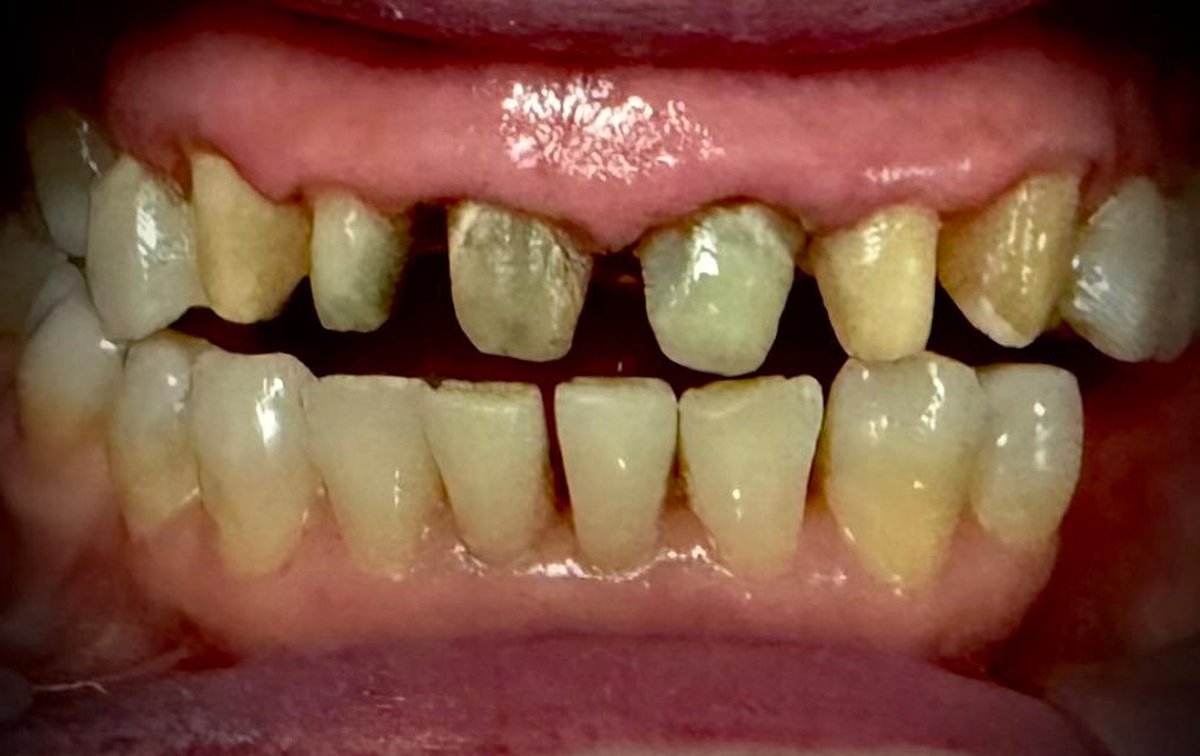
You've been told your tooth is beyond saving. That it needs to come out. And ever since, you can't stop wondering if there's another option. The good news is that, in many cases, there is: endodontics is precisely the procedure designed to rescue teeth that seem lost.
We see this situation all the time at the practice. Patients who arrive in severe pain, convinced that extraction is inevitable, and leave with their own tooth —pain-free and functioning normally— after a well-executed root canal. In this article I'll explain when it's possible to save your tooth, how the procedure works, and what signs you shouldn't ignore.
What Is Endodontics and What Does a Root Canal Involve?
Endodontics is the branch of dentistry that treats the inside of the tooth: specifically the dental pulp, that soft tissue containing nerves, blood vessels, and connective cells. When this tissue becomes infected or inflamed —from deep decay, a fracture, a blow to the tooth, or a previous dental procedure— the pain can be intense, and if left untreated, the only remaining option is extraction.
A root canal involves removing the infected pulp, cleaning and disinfecting the root canals of the tooth, and sealing them with a biocompatible material called gutta-percha. The outer part of the tooth —the visible crown— is preserved. Afterward, it's restored with a filling or, in cases where little structure remains, with a protective crown.
The key thing to understand: a tooth with a well-done root canal can last the rest of your life. It's not a temporary fix or a "last resort before pulling it."
When Can a Tooth Be Saved with Endodontics?
Not every painful tooth is a candidate for a root canal, but more of them are than you'd think. Here are the most common scenarios where the tooth can be saved:
- Deep decay reaching the pulp. If the cavity reached the nerve but the tooth structure is still sufficient, a root canal cleans the infection and the tooth is restored.
- Fracture not affecting the root. A break in the crown of the tooth that doesn't extend vertically into the root can be treated.
- Dental trauma. A blow that killed the nerve but left the supporting bone structure intact.
- Failed previous treatment. If an earlier root canal didn't work (incompletely sealed roots, recurring infection), an endodontic retreatment can be done in many cases.
- Periapical abscess. An infection that has already formed pus at the tip of the root can be resolved by draining, disinfecting, and sealing —without extracting the tooth.
Signs You Need a Root Canal
Your body sends warning signs before the situation becomes serious. If you notice any of these signs, schedule an appointment soon:
- Severe pain when chewing or applying pressure. This isn't the fleeting sensitivity to cold; it's pain that doesn't go away.
- Prolonged sensitivity to cold or heat, even after removing the stimulus. If you drink something cold and the pain lingers for 30 seconds or more, it's a sign of pulp damage.
- Pain that appears at night, when you're lying down. Blood pressure changes when you're horizontal and the inflamed nerve feels it.
- Change in tooth color. A tooth that darkens (gray, brown, intense yellow) may have a dead pulp.
- Swelling or a bump on the gum near the root of the affected tooth. This usually indicates an abscess.
- Persistent bad taste or bad breath. If the infection drains on its own, you may notice an unpleasant taste.
If you've had any of these signs for days, don't wait. The earlier it's treated, the more tooth structure is preserved.
The Procedure Step by Step: What to Expect at the Office
Many people are afraid of root canals because of stories from the past. Today's reality is very different. Here's what happens, step by step:
- Diagnosis and X-ray. We take images to see the depth of the infection and the number of canals in the affected tooth.
- Local anesthesia. Applied directly to the tooth area. You won't feel pain during the procedure.
- Tooth isolation. A rubber dam is placed around the tooth to keep it dry and free of bacteria during treatment.
- Access to the pulp. A small opening is made in the crown of the tooth to reach the canals.
- Cleaning and shaping. Fine instruments are used to remove the infected tissue and shape the canals so they can be properly sealed.
- Disinfection. The canals are irrigated with antibacterial solutions.
- Sealing. The canals are filled with gutta-percha, a biocompatible material that acts as a permanent sealant.
- Restoration. The opening is covered with a dental filling. If the tooth lost significant structure, we plan a crown for a follow-up appointment.
The procedure can take between 60 and 90 minutes per tooth, depending on the number of canals. Some cases require two sessions; others are resolved in one.
Does it hurt? During the procedure, no —the anesthesia is effective. In the days following, you may have mild discomfort manageable with common pain relievers. Most patients return to their routine the next day.
Common Myths That Might Be Holding You Back
"Root canals are horribly painful"
False. With proper anesthesia and modern techniques, the procedure is far less painful than people imagine. Most of the "pain" associated with root canals comes from the pre-existing infection, not the treatment itself.
"It's better to pull the tooth and get an implant"
Not always. A natural tooth —even with a root canal— has advantages over an implant: it preserves the supporting bone, maintains proprioception (the sensation when you bite down), and is usually more cost-effective long-term. When the tooth can be saved, it's worth trying.
"Root canals are 100% permanent and never fail"
Not quite. The success rate is high (around 85-95% in well-diagnosed cases), but some cases require retreatment or, ultimately, extraction. Success depends on the complexity of the case, overall oral health, and post-treatment care.
"If a root canal is done poorly, it gets infected and the tooth has to come out"
Partially true. A poorly sealed root canal can become reinfected, but in most of those cases it can be retreated —cleaned and re-sealed— without losing the tooth.
Cost and Duration of Treatment
The cost of a root canal varies depending on several factors:
- Number of canals (incisors have 1, molars can have up to 4).
- Case complexity (curved roots, calcifications, atypical anatomy).
- Whether retreatment is needed or it's the first time.
- Type of final restoration (filling vs. crown).
Without giving specific figures —every case is different— a root canal is generally more affordable than an implant and preserves your natural tooth. What I can tell you: the cost of NOT treating it in time (extraction + implant + crown) is typically 3 to 5 times higher than treating the root canal while it's still viable.
As for time: most cases are resolved in 1 or 2 appointments of 60-90 minutes. The definitive restoration may require one additional appointment.
When Can a Tooth NOT Be Saved?
Although root canals save many teeth, there are cases where extraction is the best option:
- Vertical root fracture. When the crack runs through the root all the way down, the tooth can no longer be isolated from bacteria.
- Massive loss of structure. If too little healthy tooth remains to support a restoration, there's no foundation to rebuild on.
- Advanced periodontitis. If the supporting bone is already severely deteriorated, saving the tooth doesn't solve the larger problem.
- Extensive root resorption. When the root has dissolved due to chronic inflammation.
- Repeated failure of retreatments. If retreatment has already been attempted unsuccessfully more than once.
A good endodontist will give you an honest prognosis. If a root canal has a low probability of success, you're better off knowing before investing time and money.
Aftercare Following Treatment
To ensure your root canal lasts for many years:
- Avoid biting on hard things in the first few days (ice, hard candy, nuts in the shell, rib bones).
- Thorough oral hygiene: brush 2-3 times a day and floss daily.
- Get the definitive restoration promptly: don't leave the tooth with the opening sealed only with temporary filling for too long. Bacterial leakage is the main cause of failure.
- Check-ups every 6 months to detect any problems early.
- If you grind your teeth (bruxism), consider a night guard: it protects the treated tooth from fractures.
Practical Summary
- Endodontics is a procedure that saves teeth that would otherwise end up extracted.
- Signs you need one: pain when chewing, prolonged sensitivity to cold/heat, nighttime pain, color change, swelling near the root.
- The modern procedure is not painful: with proper anesthesia, it's quite tolerable.
- The success rate is 85-95% in well-diagnosed cases.
- A root canal is more affordable than an implant and preserves your natural tooth.
- There are cases where the tooth CANNOT be saved (vertical fractures, massive loss, advanced periodontitis), but fewer than people think.
- Your best investment is not putting it off: the sooner it's treated, the more tooth structure is preserved.
If you have pain or suspect you need a root canal, book your appointment via WhatsApp. We'll evaluate your case with an X-ray, explain your options, and help you make the best decision —no pressure, no alarmism.
Dra. Yadira Garza — Dental Surgeon, UANL. 22 years of clinical experience. Professional license 4520593. Private practice at Especialidades Dentales, Monterrey, Nuevo Leon.
This article is for informational purposes and does not replace a professional consultation.
References
- American Association of Endodontists — Root Canal Treatment. Accessed 2026-05-15.
- NIH MedlinePlus — Root Canal Treatment. Accessed 2026-05-15.
- Ng YL, Mann V, Gulabivala K — "Outcome of primary root canal treatment: systematic review of the literature" — Int Endod J. 2007;40(12):921-939.