
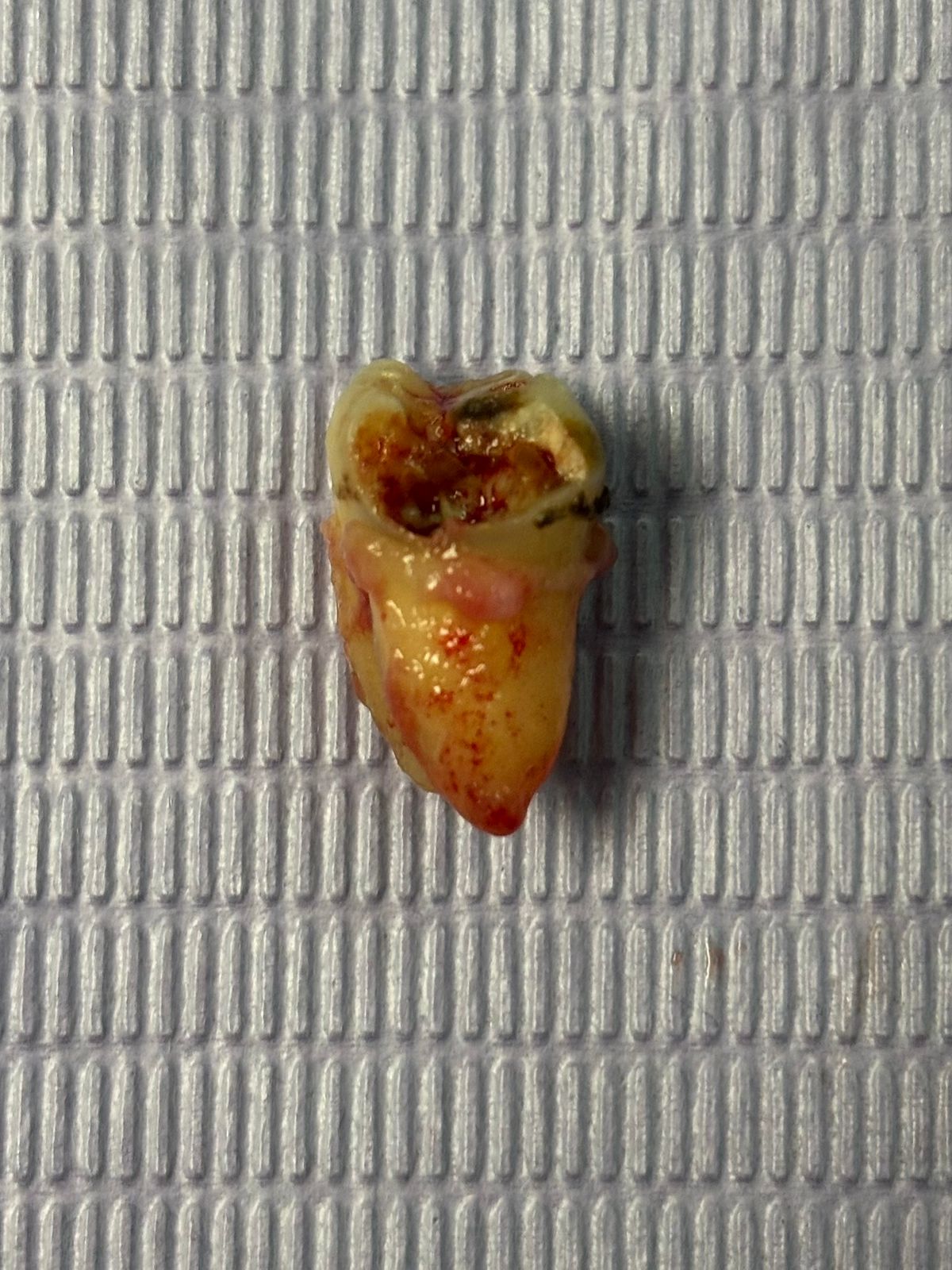
Tooth pain has a particular way of showing up at the worst possible time: at night, on a weekend, right before a trip. And when an infection is added to that pain, the situation stops being a simple nuisance and becomes a clear sign that your body needs attention. As a dental surgeon, I've had patients come into the office who endured days of swelling and fever "to see if it would go away on its own." I want to be honest with you from the start: an infected tooth rarely resolves on its own, and waiting usually makes things worse, not better.
This article is not meant to scare you. Quite the opposite: it aims to give you clear information, without unnecessary technical jargon, so you can recognize when discomfort is manageable at home, when it warrants a professional evaluation, and when, frankly, you shouldn't wait any longer. We'll talk about the real signs of infection, dental abscesses and why they shouldn't be ignored, when extraction is the right choice versus other alternatives, what happens during the procedure step by step, and the aftercare that makes the difference between a smooth recovery and a complication.
Signs a Tooth Is Infected and Needs Extraction
Your body warns you before it screams. A dental infection rarely appears out of nowhere in its most severe form; there is almost always an intermediate stage that, if you learn to read it, gives you time to act. The problem is that many people normalize the early signs because "it hurt before and then went away." That temporary improvement is part of the trap: the inflammation can drain temporarily and the pain subside, but the infection is still there, advancing silently.
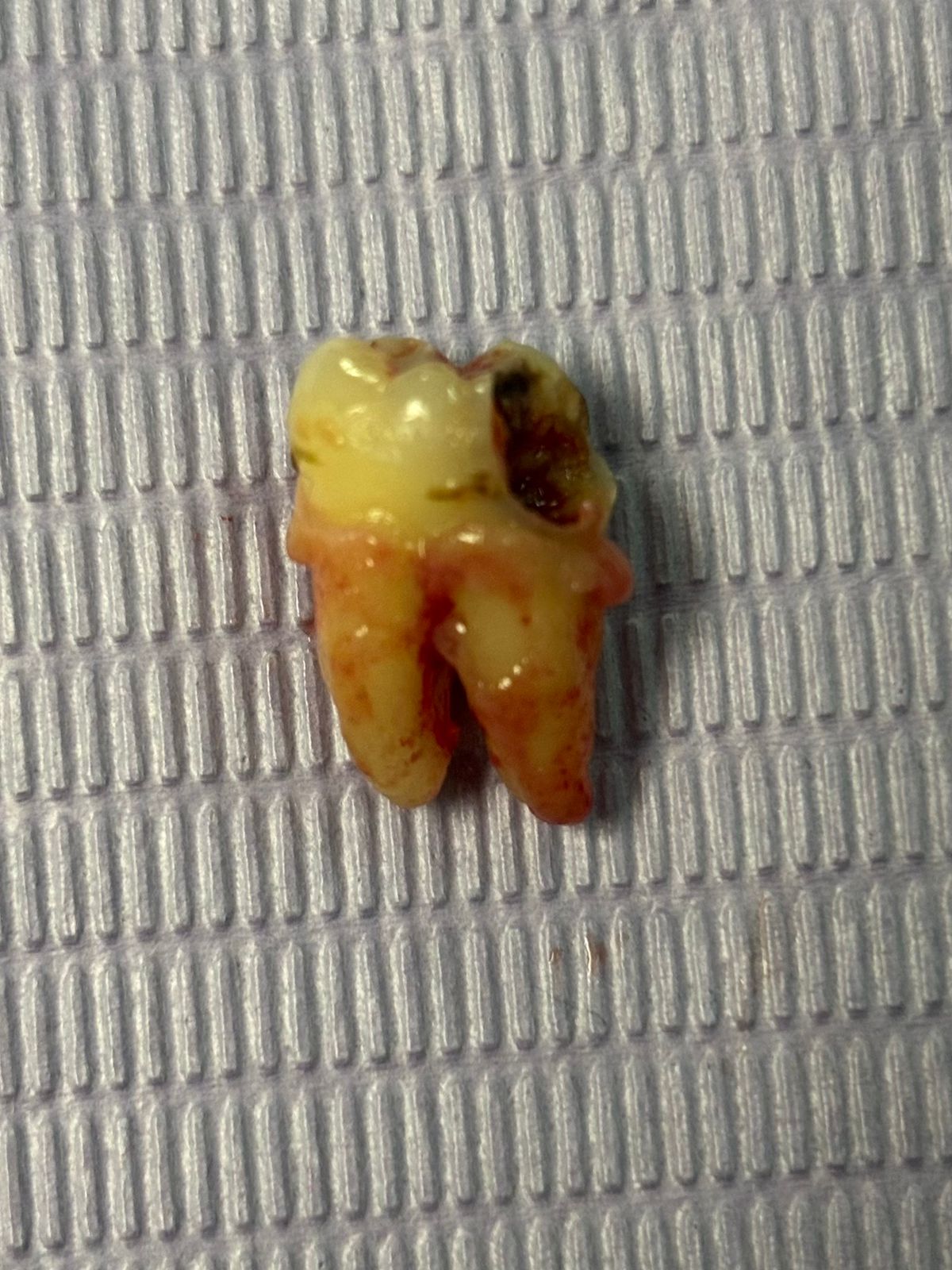
These are the signs that indicate a tooth is infected and should not be minimized:
- Sharp, throbbing pain: a pain that pulses, worsens when chewing or lying down, and doesn't fully relieve with common painkillers.
- Extreme sensitivity to cold or heat: especially if the pain lingers for several minutes after removing the stimulus, suggesting nerve involvement.
- Swelling in the gum or cheek: any visible bulge, no matter how small, indicates pus accumulation or active inflammation.
- Redness and tenderness in the gum: the gum around the tooth looks red, shiny, and hurts to the touch.
- Persistent bad taste or odor: a bitter or metallic taste that keeps coming back usually signals pus drainage.
- Fever or general malaise: if the infection has spread, it may be accompanied by fever, fatigue, or a feeling of being unwell.
- Difficulty opening the mouth (trismus): if it's hard to open or move your jaw, the infection may be affecting the nearby muscles.
One thing worth clarifying: pain that disappears completely overnight, after several days of intense discomfort, is not always good news. Sometimes it means the nerve has died, which silences the pain but allows the infection to progress without the "alarm" that pain represents. That's why a tooth that stopped hurting after a severe episode still needs to be examined.
Dental Abscess: What It Is and Why It Shouldn't Be Ignored
A dental abscess is, in simple terms, a pocket of pus that forms as a result of a bacterial infection. That pus is the body's response: it tries to isolate the bacteria and "encapsulate" them to prevent them from spreading. It's a defense mechanism, but also a sign that the system is not managing to resolve the problem on its own and needs professional help.
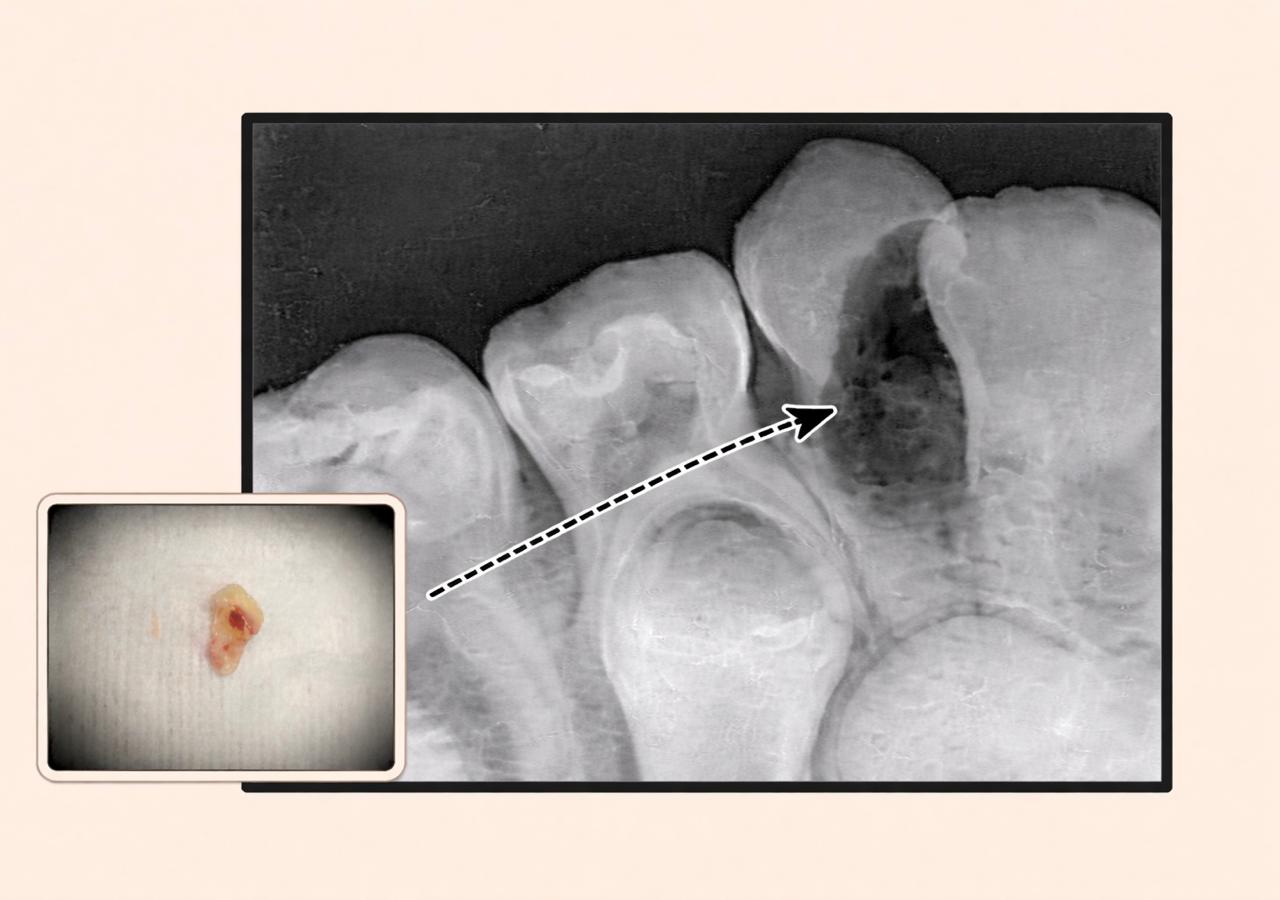
There are mainly two types of abscesses we see in the office. A periapical abscess originates at the tip of the root, when bacteria reach it through a deep cavity or a fracture that exposes the nerve. A periodontal abscess, on the other hand, develops in the space between the gum and the tooth, usually when periodontal disease has already created pockets where bacteria accumulate. Both hurt, both drain pus, and both require treatment, but their origin determines the options we have to resolve them.
An important note about home remedies: warm saltwater rinses can provide temporary relief and help keep the area clean, but they do not cure an abscess. The same goes for self-medicated antibiotics: they may reduce inflammation temporarily, but if the cause (the infected tooth) is not treated, the infection returns as soon as the medication is stopped. The source of the problem is still there, leaking bacteria.
When Extraction Is Urgent and When There Are Alternatives
I want to be very clear here, because not every infected tooth ends up being removed. My job is not to extract; my job is to restore your health. Sometimes the best way to do that is to save the tooth, and other times the only responsible option is to remove it. The decision depends on the condition of the tooth, the bone supporting it, and how controlled the infection is.
When extraction is considered urgent:
- When there is an abscess with fever and swelling that extends toward the neck or eye.
- When the infection compromises your ability to swallow or open your mouth.
- When the pain is severe and doesn't respond to painkillers, and the X-ray shows a tooth with a root fracture or extensive crown destruction.
- When the tooth is no longer salvageable due to its degree of destruction and prolonging treatment only allows the infection to advance.
When alternatives to extraction exist:
- When the root is still healthy and the infection is limited to the nerve: a root canal (endodontic treatment) can clean the inside of the tooth, eliminate the infection, and preserve the tooth.
- When the abscess is periodontal and the supporting bone is still sufficient: a deep cleaning (curettage) and periodontal treatment can resolve the situation without removing the tooth.
- When the infection is in an early stage and responds to antibiotics and drainage: the area is stabilized and the definitive treatment is scheduled without urgency.
In practice, we often combine steps. First we control the acute infection (antibiotics, drainage if accessible pus is present), and once the area is calmer we evaluate with an X-ray and, if necessary, a CT scan, how much the tooth can be saved. Deciding to extract a tooth with the infection out of control and the face swollen, without that analysis, is not always the best clinical decision.
What Happens During an Infected Tooth Extraction, Step by Step
Knowing what's going to happen reduces fear. Much of the anxiety before an extraction comes from uncertainty, not from pain itself. That's why I'll explain exactly how the procedure works in the office, so you arrive with a clear idea of each stage.
1. Evaluation and anesthesia
First we examine the area and, if not done before, take an X-ray to see the position of the roots, their relationship to important structures (such as the inferior alveolar nerve), and the extent of the infection. Then we apply local anesthesia. If the area is very inflamed, the anesthesia may take a bit longer to take full effect, because the acidic pH of infected tissue reduces its efficacy. In those cases we work patiently to ensure you don't feel pain during the procedure; what is normal to feel is pressure.
2. Liberation and mobilization of the tooth
Once we confirm the area is numb, we release the gum covering the tooth if necessary and use instruments called elevators to loosen the tooth within its socket (the hollow in the bone where it sits). We don't pull abruptly: we work gradually to widen the space and give the tooth mobility. In molars with multiple roots, the tooth is sometimes divided into sections to remove it more safely and with less trauma to the bone.
3. Removal of the tooth and cleaning of the socket
When the tooth is sufficiently mobile, it is removed with forceps (a special clamp). Immediately after, the socket is cleaned: infected tissue and debris are removed, and especially in teeth that were infected, we verify that no pus or diseased tissue remains. This cleaning is the part that makes the difference for the gum to heal well and prevent a relapse.
4. Bleeding control and suturing
A gauze pad is placed for you to bite down on so the clot forms, which is the foundation of healing. If the gum was left very open or the extraction was surgical, sutures are placed (often absorbable, which don't need to be removed). Initial bleeding is normal and is controlled within minutes with pressure.
5. Instructions and follow-up
Before you leave, we review the at-home care instructions, medications (anti-inflammatories and, depending on the case, antibiotics), and schedule a follow-up appointment. The entire procedure, in an uncomplicated case, typically takes 20 to 40 minutes. In more complex cases, such as impacted wisdom teeth or very curved roots, it may take longer.
Aftercare and Warning Signs After an Extraction
The extraction is only half the work; the other half is what you do at home. Good postoperative care speeds up healing and, above all, prevents the complication we fear most in these cases: dry socket, which is the painful inflammation of the socket when the clot that should protect it is lost.
First 24 hours:
- Bite down on the gauze for the indicated time and change it only when saturated, without spitting or rinsing forcefully.
- Don't use straws: the suction can dislodge the clot.
- Don't smoke. Smoke alters healing and increases the risk of dry socket.
- Soft, lukewarm diet: avoid hot, extremely cold, spicy, and crunchy foods.
- Apply cold to the cheek (20 minutes on, 20 minutes off) to reduce swelling.
- Take medications exactly as prescribed; don't stop the antibiotic before finishing the course.
Days two through seven:
- You can start gentle rinses with warm saltwater after the first 24 hours, without force.
- Brush your teeth normally, avoiding the extraction site.
- Swelling may increase until the second or third day and then starts to go down; it's part of the process.
- Avoid strenuous exercise during the first few days.
The gum closes superficially within one to two weeks, but complete bone healing takes four to six months. That's why it's important to attend your follow-up appointment: it confirms everything is healing well and allows us to plan, if you choose to, how to replace the lost tooth (with a dental implant, a bridge, or a prosthesis) before the bone begins to resorb from lack of stimulation.
Frequently Asked Questions from Our Patients
When is an infected tooth extraction considered urgent?
When there is an abscess with fever, swelling that extends toward the neck or eye, difficulty swallowing or breathing, or severe pain that doesn't respond to painkillers. These signs indicate the infection may be spreading and require immediate attention.
Can I avoid extracting an infected tooth?
In many cases, yes, if the infection is caught early enough. A root canal (endodontic treatment) can save the tooth when the root is still viable. Extraction is reserved for when the damage is irreversible, the supporting bone is severely compromised, or the infection does not respond to treatment.
Does extracting an infected tooth hurt?
The procedure is performed under local anesthesia, so you should not feel pain during the extraction; feeling pressure is normal. Afterward, discomfort is managed with prescribed anti-inflammatories and typically decreases noticeably within 48 to 72 hours.
What warning signs should I watch for after an extraction?
Seek care immediately if you experience persistent fever, swelling that increases after the third day, pain that worsens instead of improving, a constant bad taste or odor, or bleeding that doesn't stop with gauze pressure. These may indicate dry socket or a new infection.
How long does it take for the gum to heal after an infected tooth extraction?
The gum closes superficially within 1 to 2 weeks, but complete bone healing takes 4 to 6 months. During that time the area continues to remodel, which is why attending your follow-up appointment is important.
Do you have a severe toothache or suspect an infection?
Don't wait for it to get worse. Book a consultation with Dra. Yadira Garza at Centro Médico Obispado, Monterrey. We'll see you as soon as possible.
Message us on WhatsApp →Practical Summary
- An infected tooth rarely resolves on its own; pain that suddenly stops may mean the nerve died, not that it healed.
- A dental abscess is a pocket of pus that can spread to the face and neck; it's not treated with home remedies or antibiotics alone without addressing the cause.
- Extraction is urgent when there is fever, extensive swelling, difficulty swallowing, or unrelenting pain; but alternatives exist (root canal, periodontal treatment) when the tooth is salvageable.
- The procedure is done under local anesthesia and takes 20 to 40 minutes in uncomplicated cases; feeling pressure, not pain, is normal.
- At-home care (no straws, no smoking, soft diet, local cold) prevents dry socket; watch for fever, increasing pain, or swelling that doesn't subside as warning signs.
References
- American Dental Association — Dental abscess. URL to be verified manually.
- American Association of Oral and Maxillofacial Surgeons — Tooth extraction. URL to be verified manually.
- Journal of Clinical Periodontology — Management of odontogenic infections. URL to be verified manually.
- World Health Organization — Oral health. URL to be verified manually.
- Colgate Professional — Post-extraction care. URL to be verified manually.
Dra. Yadira Garza — Dental Surgeon, UANL. 22 years of clinical experience. Professional license 4520593. Professional practice at Especialidades Dentales, Monterrey, Nuevo León.
This article is for informational purposes and does not replace a professional consultation.