
Tag: Dental Implants
Read time: 7 min
Date: 2026-04-25
Losing a tooth isn't just a cosmetic problem; it affects how you chew, how you speak, and above all, how you feel when smiling at a gathering or a family dinner. In Monterrey, where the pace is fast and social life revolves around food, not being able to enjoy a good carne asada or a birthday cake without worry is a tough blow. Many patients come to my practice thinking the only option is a bridge or a loose denture, but current technology offers a much more definitive solution: the dental implant.
This guide is designed to help you understand exactly what the procedure involves, how long it takes, and what you can realistically expect — without complicated technical jargon or exaggerated promises. If you're considering restoring your complete smile, having clear information before making any decision is essential. Here I explain how the process works from the initial evaluation to the final restoration, based on what we see daily at our practice in Centro Médico Obispado.
What Exactly Is a Dental Implant and How Does It Work?
A dental implant is essentially a titanium piece that acts as the root of your natural tooth. Unlike a bridge, which requires reshaping the healthy teeth on either side, the implant is placed directly into the jawbone. This characteristic is key because it stimulates the bone and helps prevent it from being reabsorbed — a common problem when a tooth is lost and not replaced.
Imagine your tooth is a building. The implant is the foundation buried in the ground; without that foundation, the building doesn't hold up well and the surrounding ground sinks. In dentistry, that "ground" is the alveolar bone. Once the implant integrates with the bone, a top piece called a crown is placed — that's the visible part you bite with. This allows you to recover nearly full functionality of the original tooth, with the advantage that you don't need to depend on adjacent teeth to support the load of chewing.
It's important to note that not all materials are the same. Titanium is the gold standard for its biocompatibility, meaning your body accepts it as its own. In specific cases where there are allergies or strong aesthetic preferences, alternatives like zirconia exist, though titanium remains the most studied and documented material. The key to success isn't just the material, but the surgical technique and the quality of the bone you have available.
The Step-by-Step Process: What to Expect at Each Stage
Implant treatment isn't a single-day event, but a process that requires patience and follow-up. It's generally divided into three main phases that can take between three and six months in total, though this timeframe can vary depending on your healing capacity and whether a bone graft is needed. Understanding this timeline helps you plan ahead, especially if you have to navigate traffic to make it to your follow-up appointments without stress.
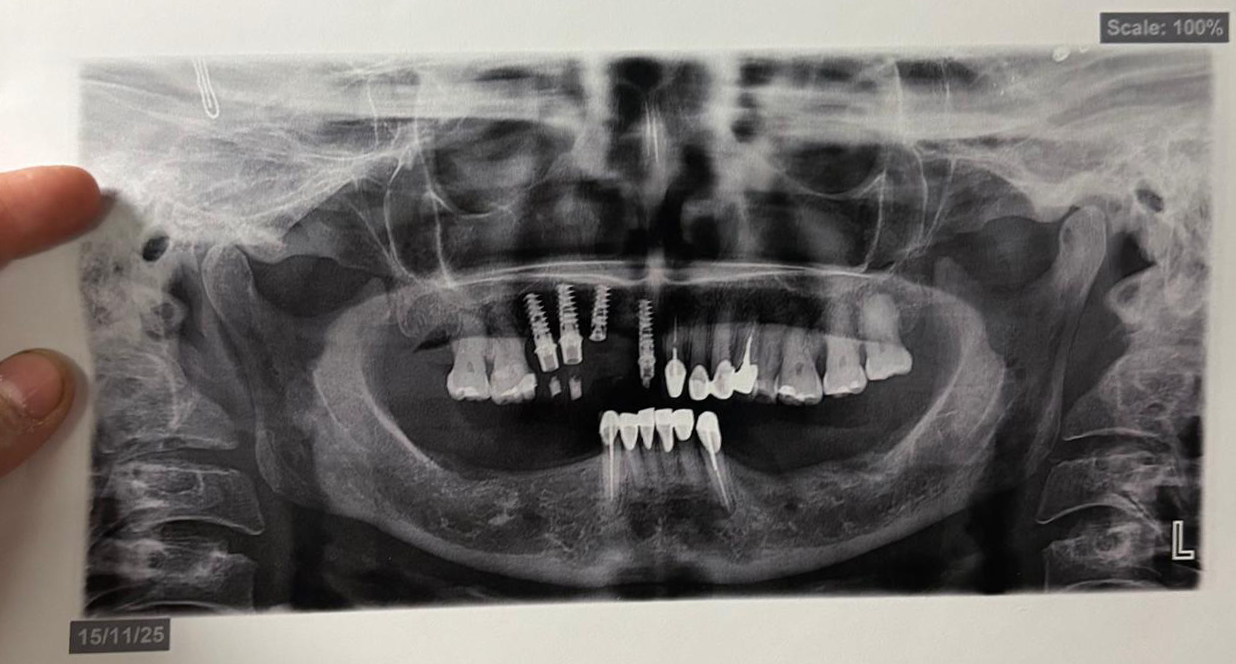
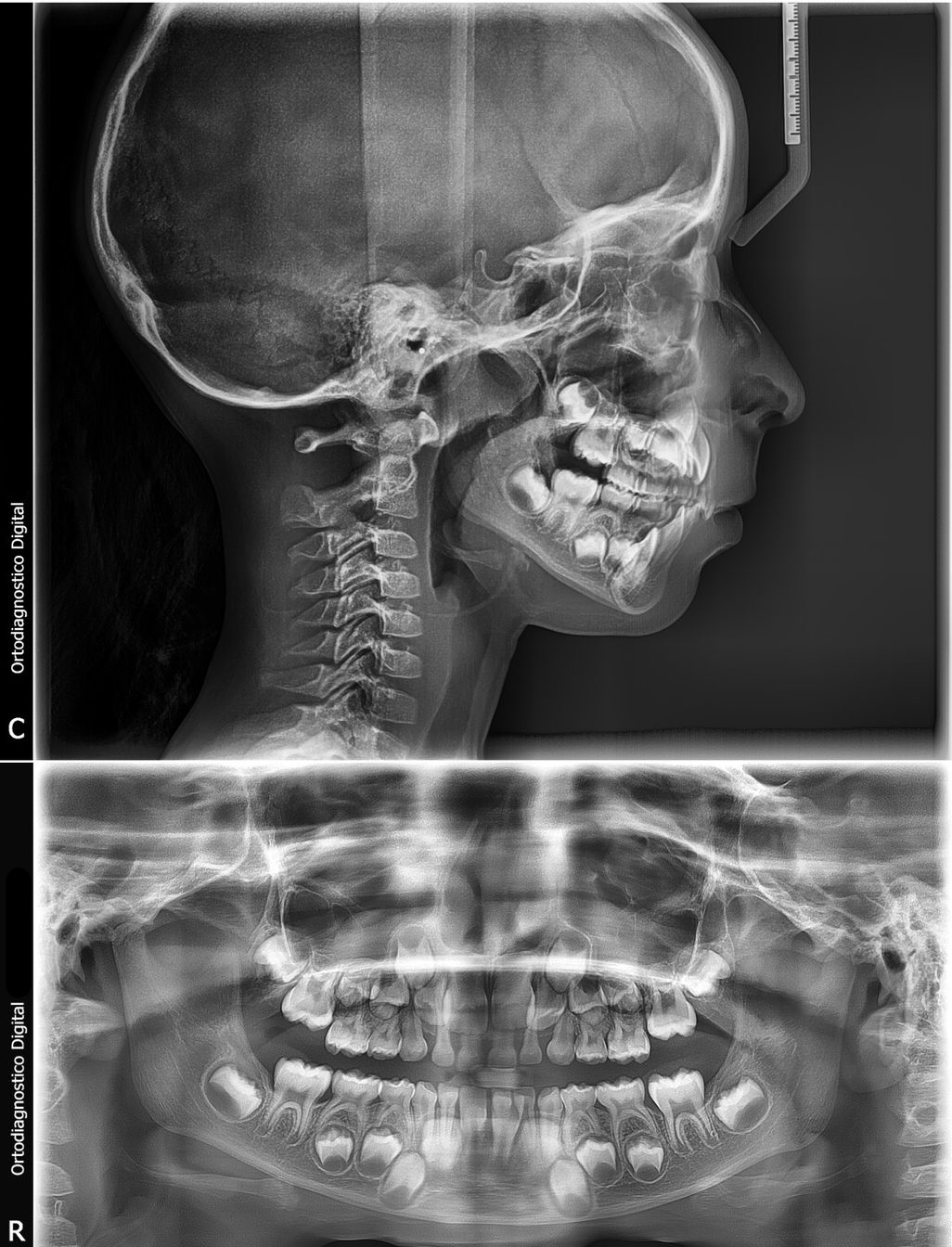
The first phase is evaluation and planning. Here we take X-rays, 3D scans, and assess your overall health. This is the moment to speak openly about your habits, like whether you smoke or have conditions such as diabetes, since this directly affects healing. Don't worry if you don't have all the answers right now; at this stage, your job is to be honest so the plan is safe.
Next comes implant surgery. It's a surgical procedure performed under local anesthesia, so you shouldn't feel pain during the procedure. A small incision is made in the gum to place the titanium screw into the bone. After surgery, we send you home with clear instructions on how to manage swelling and care for the surgical site. It's normal to experience mild discomfort in the following days, manageable with medication.
The third phase is osseointegration. This is the most important waiting period. The implant needs to fuse with the bone to gain stability. During this time, you can't put weight on it. Once the bone has accepted it, we place the definitive crown. It's a process that takes time, but it's what guarantees that the artificial tooth has a solid foundation to last for many years.
Are You a Good Candidate? Factors That Matter
Not everyone is an ideal candidate for dental implants in their current state, but that doesn't mean you can't have them. A clinical evaluation is the only way to confirm it. Factors like bone density, gum health, and your medical history are determining factors. For example, if you have uncontrolled diabetes, your body's ability to heal wounds decreases, which requires special management before proceeding.
Another critical factor is tobacco use. Smoking is one of the biggest enemies of oral surgery because it affects microcirculation. In our practice, we see many patients who succeed, but those who continue to smoke heavily have higher rates of complications. It's not an absolute prohibition, but it is a serious warning you should consider before investing in the treatment.
We also need to evaluate the available space in your mouth. If you lost the tooth a long time ago, the bone may have shrunk. In those cases, we sometimes need to do a bone graft before placing the implant. This adds time to the process, but it's necessary to ensure the structure has solid support. Don't try to guess whether you have enough bone; the panoramic X-ray and 3D scanner give us the exact answer.
Aftercare and Treatment Longevity
Many patients believe that once the crown is placed, the work is done. In reality, the implant requires the same care as a natural tooth to ensure its longevity. Oral hygiene is fundamental: brushing, flossing, and in some cases, the use of interdental brushes or water flossers. If plaque accumulates around the implant, an inflammation called peri-implantitis can develop — similar to gum disease but around the artificial tooth.
Maintenance visits are also vital. We recommend coming in at least every six months for a professional cleaning and checkup. At these appointments, we verify there's no tartar buildup below the gumline and that the crown fits correctly. Maintaining good overall hydration helps keep your gums healthier and more resilient, which benefits your overall oral health.
In terms of longevity, longitudinal studies show that implants have a high long-term survival rate when well maintained. However, there's no "forever" guarantee in medicine. Natural wear, accidents, or changes in your health can have an impact. Still, compared to other replacement options, implants remain the most durable and functional investment we have in modern dentistry.
- Signs everything is going well: The gum is pink, there's no bleeding when you brush, and the crown feels stable when eating.
- Warning signs: Persistent inflammation, crown mobility, pain when pressing, or a bad taste in your mouth that won't go away.
- Immediate action: If you notice any of the warning signs, don't wait for your next scheduled appointment; contact us to have the site checked.
Practical Summary
- A dental implant is an artificial titanium root that is fixed to the bone to support a crown.
- The complete process typically takes 3 to 6 months, depending on the need for a bone graft and healing.
- Systemic health (diabetes, smoking) and oral hygiene are key to treatment success.
- It doesn't replace the need to visit the dentist every 6 months for preventive maintenance.
- Cost varies by case, but it represents a long-term investment in health and functionality.
CTA: Book your appointment via WhatsApp
---
References
- American Dental Association (ADA) — Dental Implants. URL to be verified manually.
- Cochrane Library — Interventions for replacing missing teeth: implants in the management of edentulism. URL to be verified manually.
- PubMed — Osseointegration and long-term survival of dental implants. URL to be verified manually.
- World Health Organization (WHO) — Oral health: Fact sheet. URL to be verified manually.
- NOM-013-SSA2-2015 — For the prevention and control of oral diseases. URL to be verified manually.
- Colgate Professional — Dental implant care. URL to be verified manually.
- National Institute of Public Health (INSP) — ENSANUT Oral Health. URL to be verified manually.
- Mexican Dental Association (ADM) — Clinical practice guideline on implants. URL to be verified manually.
---
Author
Dra. Yadira Garza
*Dental Surgeon, UANL*
*License: 4520593*
*22 years of clinical experience in Monterrey*
---
*This article is for informational purposes and does not replace a professional consultation.*