
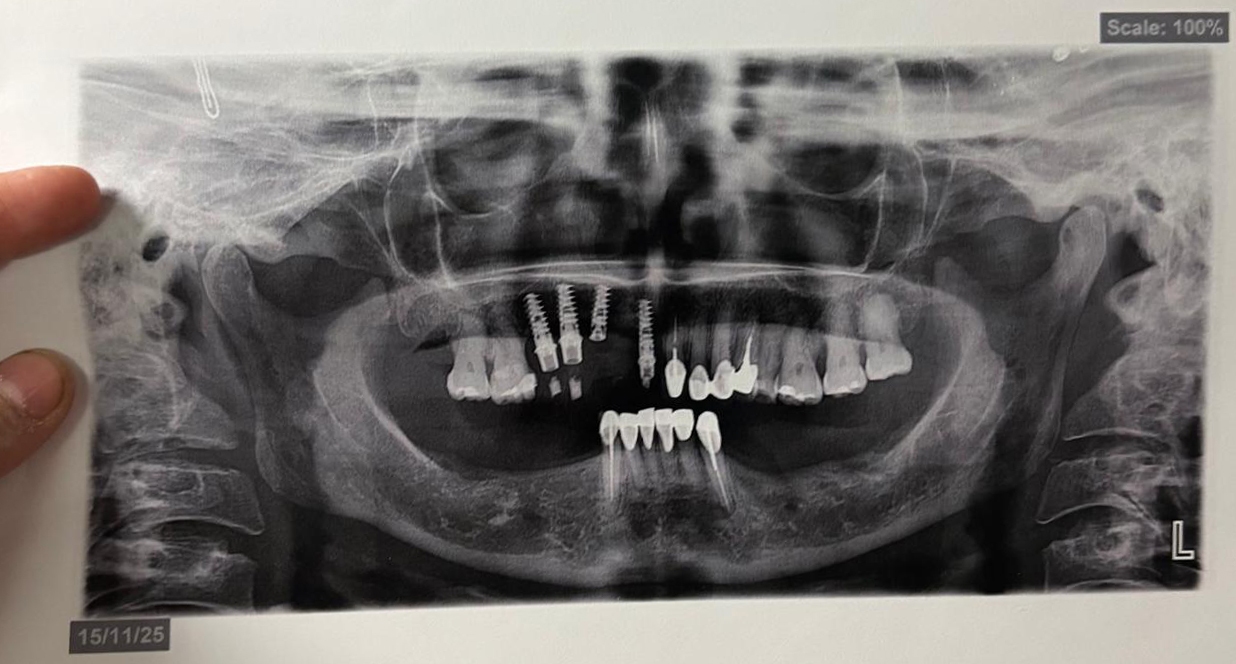
Dental Implants in Monterrey: A Complete Guide to Procedures and Costs
Tag: Dental Implants Reading time: 7 min
Losing a tooth is not just an aesthetic issue; it affects how you eat, speak, and often, how you feel about your own smile. In Monterrey, where food is a fundamental part of our culture—ranging from a good carne asada to fresh steamed tacos—recovering chewing function is a priority. Dental implants have established themselves as the solution closest to nature for replacing lost teeth, offering stability and durability that other options fail to match.
Many patients arrive at the consultation with a question on the tip of their tongue: "How much will I have to pay?" This is a valid concern. However, the cost of a dental implant is not an isolated figure; it depends on the health of your gums, the density of your bone, and the technology required to plan the procedure safely. At Centro Medico Obispado, we understand that the decision to invest in your oral health requires transparency, clear information, and, above all, trust in who guides you.
What is a dental implant and how does it work?
Technically, a dental implant is a biocompatible titanium screw placed surgically in the maxilla or mandible to act as an artificial root. Unlike a traditional bridge, which requires filing down healthy adjacent teeth for support, the implant works independently. This preserves the remaining natural dental structure, a clinically crucial factor in the long term.
The process is based on osseointegration: the ability of the jawbone to fuse
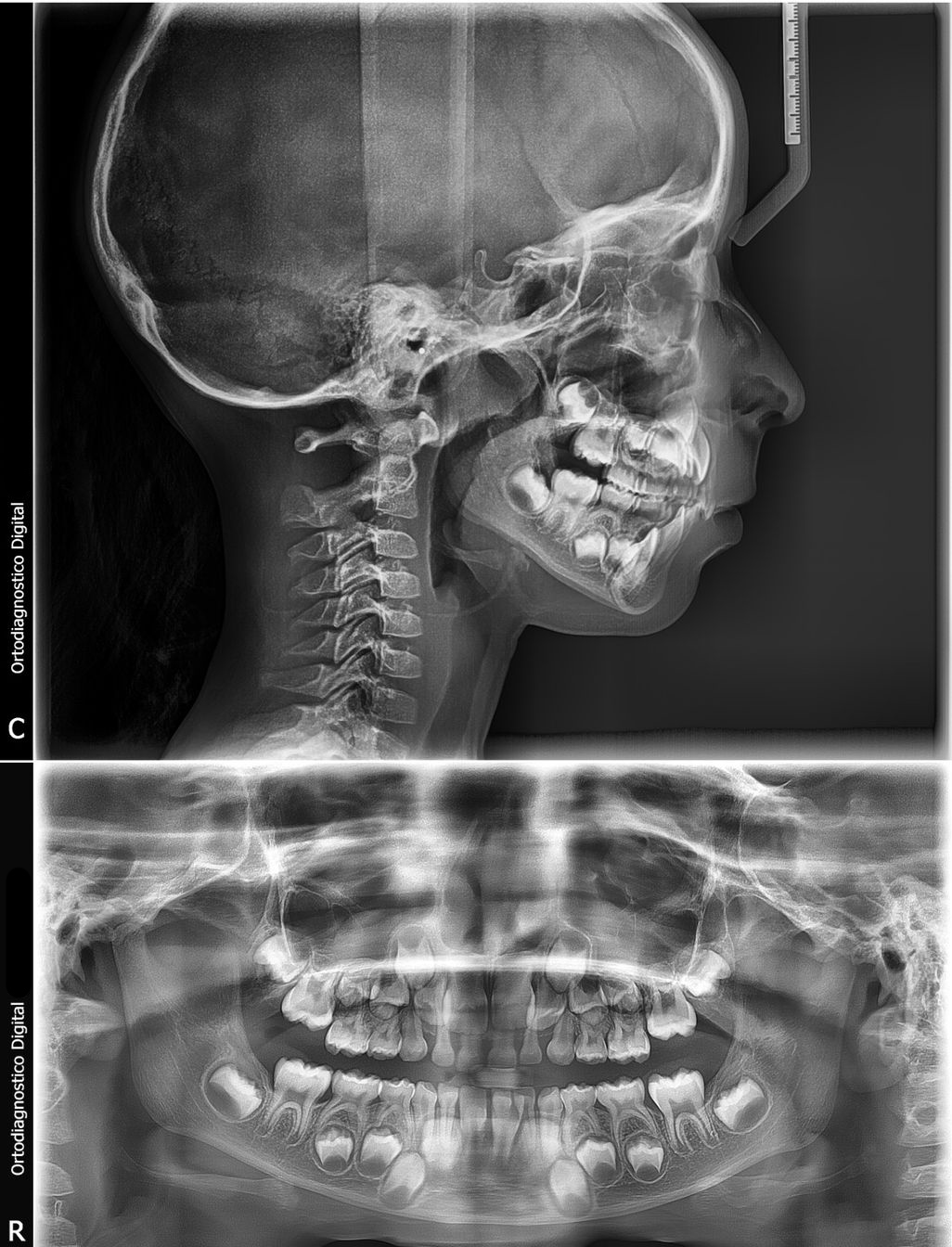
It is important to note that implants prevent bone resorption. When you lose a tooth and do not replace it, the bone that supported it begins to atrophy due to lack of stimulation. The implant transmits chewing forces to the bone, keeping it alive and firm, which helps preserve your facial structure and prevents that "aged" or sunken appearance in the jaw area.
Factors influencing cost in Monterrey
Talking about money in dental health can be uncomfortable, but financial honesty is part of our commitment to you. The cost of a dental implant in Monterrey varies significantly depending on the complexity of the case. There is no single price because every mouth is a different universe.
In general terms, the investment in a complete dental implant (screw + crown) represents a higher initial cost compared to other options, but it usually offers an excellent return on investment in long-term durability.
Factors that influence the price:
- Pre-surgical evaluation: The need for Cone Beam CT (CBCT) imaging to visualize anatomy in 3D.
- Adjunctive procedures: If there is bone loss, a bone graft may be necessary. If there is gum loss, a soft tissue gum graft may be needed. These steps increase the cost but are essential for success.
- Screw material: Grade 4 titanium vs. Grade 5 titanium (Ti-Zr), which offers greater resistance in limited spaces.
- Crown type: Resin for provisionals, porcelain-fused-to-metal, or lithium disilicate/zirconia for final restorations, which offer greater aesthetics and translucency.
Qualitative ranges:
- A "simple" case (sufficient bone, no active infections) is the most economical option within the implant universe.
- A "complex" case (need for sinus lifts, block grafts, or periodontal regeneration) increases the investment, as it involves longer healing times and special materials.
Our policy in the office is to break down the budget before starting treatment. We know that patients in Guadalupe, San Pedro, and the entire Valle region seeking care at Centro Medico Obispado look for quality but also clarity. There are no surprises.
Important: Always ask for a written budget that details each stage: evaluation, screw surgery, provisional, and final crown. If the price seems too low, ask if it includes the CT scan and the warranty of the screw. Dental health is not an area to cut costs on material quality.
The step-by-step process: from evaluation to crown
The journey to a restored smile does not happen in a single day. Patience is key to ensuring the implant lasts for decades. Here is how we handle it in clinical practice.
Phase 1: Evaluation and Digital Planning Everything starts with a complete clinical review. At Centro Medico Obispado, we use 3D imaging technology to measure the quantity and quality of available bone. This allows us to identify nerves, maxillary sinuses, and vital structures before the incision. If you are an ideal candidate, we define the surgical plan. If you need a graft, we perform it at this stage or simultaneously.
Phase 2: Screw Placement (Surgery) This is an outpatient procedure, generally under local anesthesia. The incision in the gum is minimal. The site in the bone is prepared with special drills, and the titanium screw is inserted. Sutures close the area. The discomfort is manageable; most patients describe it as less painful than a wisdom tooth extraction.
Phase 3: Osseointegration (Waiting Period) This is the silent but critical period. The screw must remain still while the bone grows around it. In the maxilla (upper jaw), this usually takes 3 to 4 months. In the mandible (lower jaw), it may take 2 to 3 months due to higher bone density. During this time, you may receive an aesthetic provisional crown (not functional for heavy chewing) or use a removable bridge if the area is visible.
Phase 4: Uncovering and Impression Taking Once integrated, we perform a micro-surgery to uncover the screw if it was completely covered. Molds are taken, or the exact position of the implant is digitally scanned. This model is sent to the dental laboratory to fabricate your definitive crown.
Phase 5: Crown Placement A few weeks later, we try the crown in your mouth to adjust the color, shape, and occlusion (how you bite). When everything is perfect, we cement or screw it in permanently. You can now enjoy your new tooth.
Ideal candidates and contraindications
Not everyone is a candidate for a dental implant, and that honesty protects your health. A good dentist will say "no" if the risks outweigh the benefits.
Ideal candidates:
- Adults with complete bone development.
- Sufficient maxillary or mandibular bone to house the screw.
- Healthy gums, without active periodontitis or uncontrolled gingivitis.
- Consistent oral hygiene habits.
- Non-smokers, or individuals willing to quit smoking during the healing process (nicotine is vasoconstrictive and hinders osseointegration).
Contraindications and risk factors:
- Uncontrolled diabetes: High glucose levels delay wound healing and increase the risk of infection. Strict control is required.
- Active smoking: Cigarette smoke reduces blood flow to the gums. It is one of the biggest predictors of implant failure.
- Severe osteoporosis with treatment: Some bisphosphonates (bone medications) may interfere with the bone's ability to remodel after surgery. Medical history must be evaluated.
- Previous head and neck radiation: Radiation can damage bone vascularization. It requires specialized evaluation and hyperbaric protocols in some cases.
- Untreated periodontal disease: An implant cannot be placed in an inflamed and infected environment. The gums must be healed first.
Remember: this can only be confirmed during a clinical review. A panoramic X-ray does not tell the whole story; we need to see your gums, evaluate your teeth, and review your general medical history.
Materials: titanium vs. zirconia, pros and cons
Most of the implants we place are made of commercial Grade 4 or 5 titanium. Titanium has been the gold standard for over 40 years. It is biocompatible, strong, and has a very high documented success rate in longitudinal studies.
Titanium:
- Pros: Exceptional fracture resistance. Proven clinical history. Integrates perfectly with bone.
- Cons: It is metallic. In patients with very thin gums, a slight grayish tone may be visible under the gum line (the "halo" effect), although this is becoming less relevant with new "U" designs that minimize the visible metal surface.
Zirconia (Ceramic):
- Pros: Superior aesthetics. White color, ideal for patients with a gummy smile (showing lots of gum when smiling) or metal allergies (extremely rare with titanium).
- Cons: Less long-term data compared to titanium. It is more fragile during the bone drilling stages, requiring surgeons with specific experience. In cases of very strong biting force (bruxism), there is a slightly higher risk of ceramic screw fracture.
In daily practice, we choose titanium for most cases due to its biomechanical predictability. We resort to zirconia only when the patient's aesthetic demand in the anterior zone justifies it and the bone anatomy allows it. There is no universally "better" material; there is the adequate material for your case.
Recovery time and post-operative care
Recovery after screw placement is generally rapid. Most patients resume their work activities in 1 or 2 days.
First 48 hours:
- Ice: Apply cold compresses to the cheek (20 minutes on, 20 minutes off) to reduce inflammation.
- Hygiene: Do not rinse vigorously. You can brush your teeth carefully, avoiding the surgical area.
- Diet: Soft and lukewarm diet (neither too hot nor too cold). Avoid straws, as the suction can dislodge the blood clot and cause alveolitis.
- Medication: Anti-inflammatories are prescribed, and depending on the case and medical profile, prophylactic antibiotics. Take them exactly as indicated.
First few weeks: Inflammation decreases. Sutures, if they are not resorbable, are removed in 7–10 days. You can start eating more normally, but avoid chewing directly on the implant if it has a provisional crown.
Long term: The key to your implant lasting a lifetime is maintenance. Implants do not get cavities, but they can develop peri-implantitis (an inflammation similar to periodontal disease around the implant) if bacterial plaque accumulates. Proper brushing, use of interdental floss or proximal brushes, and professional check-ups every 4–6 months are non-negotiable.
Frequently asked questions from our patients
Does having a dental implant hurt? Once the final crown is placed, the implant is not felt. It has no nerves, so you do not feel sensitivity to cold or heat. During healing, the discomfort is similar to that of an extraction: manageable with medication.
How long does an implant last? With good maintenance and without systemic risk factors, implants can last a lifetime. The upper crown, being exposed to chewing wear, may need replacement every 10–15 years, similar to a resin or natural crown.
Can I get an implant if I lack bone? Yes. Thanks to periodontal regeneration, we can place bone grafts that increase the volume and density of the maxilla, making you a candidate for the implant.
Is it safe if I have diabetes? If your diabetes is well controlled (stable glycosylated hemoglobin), yes. In fact, recovering dental function helps improve general nutrition, which indirectly benefits glycemic control.
Practical summary
- Dental implants are titanium screws that act as roots, preventing bone loss and preserving healthy teeth.
- The cost in Monterrey depends on complexity (bone, gums, materials), but it is a long-term investment with high durability.
- The process takes 3 to 6 months in total, including the osseointegration phase.
- Ideal candidates have healthy gums, are non-smokers or willing to quit, and control their systemic conditions.
- Rigorous maintenance (hygiene + check-ups) is the only insurance against future failure.
CTA: We want you to make an informed decision. Message us on WhatsApp for a personalized evaluation with no obligation.
References
- American Dental Association — Dental Implants. URL to be manually verified.
- Cochrane Oral Health — Bone grafts for dental implants. URL to be manually verified.
- Journal of Clinical Periodontology — Long-term survival of dental implants. URL to be manually verified.
- Colgate Profesional — Peri-implant hygiene. URL to be manually verified.
- World Health Organization — Global oral health status. URL to be manually verified.
Dr. Yadira Garza — Dental Surgeon, UANL. 22 years of clinical experience. Professional license 4520593. Practicing at Especialidades Dentales, Monterrey, Nuevo Leon.
This article is for informational purposes only and does not substitute professional consultation.