
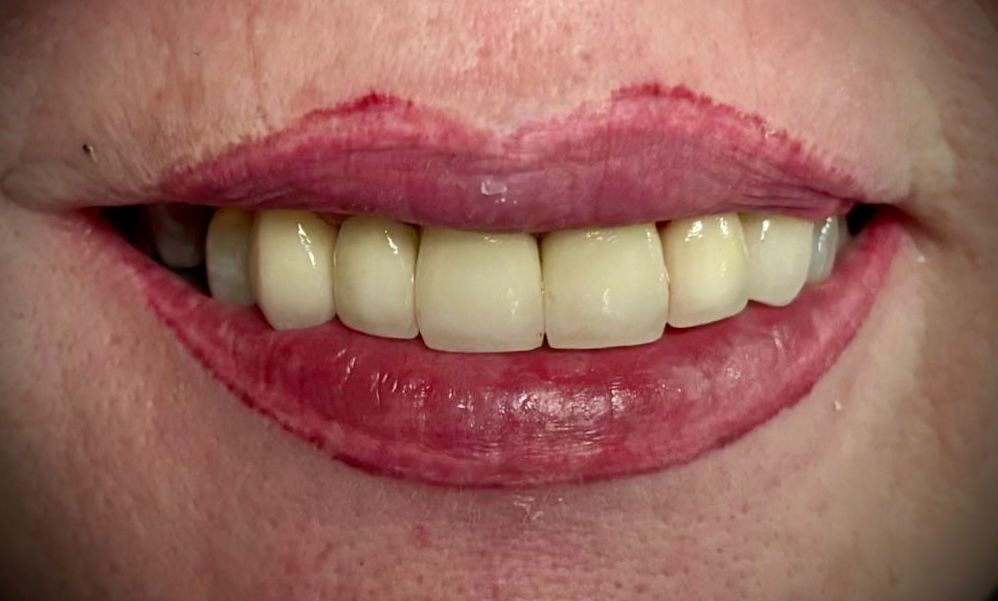
Dental Crowns: Zirconia, Porcelain, or PFM — Which One Is Right for You?
Tag: Crowns and Veneers Reading time: 7 min
A molar cracked, the composite filling came loose again, or that filling they gave you years ago just won't hold up any longer. At the consultation room in Centro Médico Obispado, we receive patients every week who arrived late — not to the appointment, but to the decision — and that's why the tooth deteriorated far beyond what was necessary. A dental crown isn't something you think of as a backup plan. It's the protection a tooth should have had from the start.
If you've been wondering which material is right for you, whether the price difference is worth it, or whether your case actually needs a crown, this article gives you clear answers. No unnecessary jargon, no empty promises. Exactly what Dr. Yadira would explain to you during your initial evaluation.
When Do You Need a Dental Crown?
A dental crown is a cap that covers the entire visible portion of the tooth. It's not a patch or a large filling. It's the complete structure that repl
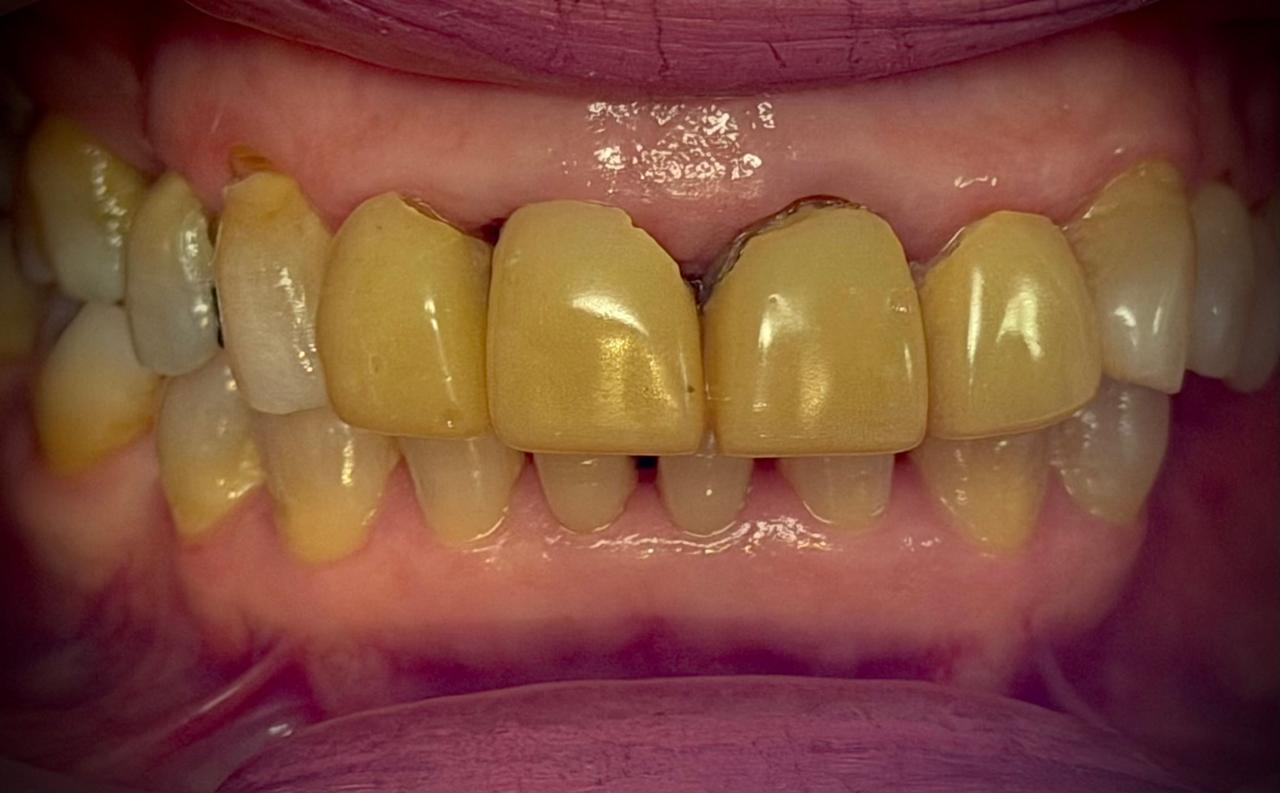
The most common scenarios where we recommend a crown include:
- After a root canal treatment. A tooth that has lost its nerve structure tends to become brittle. Without a crown, it's very likely to fracture during normal chewing.
- Large fillings or extensive composite restorations. When the restored area covers more than 50-60% of the tooth surface, the remaining structure can't hold up on its own.
- Visible fractures. A deep crack that reaches the enamel or dentin can no longer be fixed with a cosmetic filling.
- Severe wear. Bruxism, acidity, or diet can wear down teeth until they're too short to function properly.
- Abutment for a dental bridge. If you're missing consecutive teeth, the adjacent teeth are prepared as bridge abutments.
- Functional aesthetics. A heavily worn, discolored, or misshapen tooth can be restored with a crown that brings back its natural appearance without compromising your bite.
Not every cavity leads to a crown, but when cavities progress without attention, a crown becomes the only alternative before extraction becomes necessary. We see this pattern constantly: the patient notices the crack, gives it time, and time is not on their side.
Available Materials: Zirconia, Porcelain, and PFM
Having different materials available isn't a marketing gimmick. Each one has real physical properties and behaves differently depending on where it's placed in your mouth.
Zirconia is currently the material of first choice for most cases. It's extraordinarily strong — with flexural strength values ranging between 600 and 1,200 MPa depending on the specific formulation — and its translucent color mimics natural enamel very well. It doesn't stain and doesn't irritate the gums. We use it for both front teeth and molars, and it's ideal for patients with metal allergies or sensitive gums, because the crown margin doesn't create that dark line some metals produce. In Monterrey, where the weather drags you down and a lot of daily stress ends up as teeth clenching, the strength of zirconia is a real advantage.
Feldspathic porcelain and lithium disilicate (such as the e.max brand) offer the most natural aesthetics available. Light passes through them almost identically to a real tooth, making them irreplaceable in the front zone, especially if you're someone who smiles showing all your teeth. Lithium disilicate has reasonable strength for incisors and canines, though for molars we prefer zirconia because chewing forces are significantly higher in the back.
Porcelain-fused-to-metal (the classic PFM) features a metal framework coated with porcelain. It remains a valid option, especially in the posterior zone where subtle aesthetics are sufficient and metal strength provides excellent protection. The drawback: over time, the gum line can recede slightly and reveal that gray metal edge. It's not harmful, but it is noticeable. Additionally, some patients report initial sensitivity to cold, since metal conducts heat better than other materials.
What I want you to remember: During your initial evaluation, Dr. Yadira personally assesses which material best fits your case. There's no single "best" material — there's one that's best for your tooth, your bite, and your budget. Don't self-diagnose from photos.
The final choice depends on three factors we analyze together: the tooth location (front vs back), your bite (if you clench heavily, the recommendation changes), and your budget. Many patients come from the metropolitan area seeking cosmetic dentistry without traveling downtown, and that's exactly where the face-to-face explanation makes all the difference.
Step-by-Step Process: From Consultation to Placement
That the process involves several visits doesn't mean it's complicated. It means each step is designed so the crown is done right the first time, not as a compromise.
First visit — Evaluation and diagnosis. We examine your tooth with X-rays, assess the gums, verify the root is healthy, and determine whether you need root canal treatment before the crown. This is the visit where we select the material together. If the tooth still has a healthy nerve and the crack doesn't reach it, we can proceed directly. If it's already had root canal treatment, we first complete that procedure to ensure the foundation is clean.
Second visit — Preparation and impression. We reduce the tooth on all sides to create the necessary space for the crown — generally between 1.5 and 2 millimeters of enamel. It's not more painful than you imagine: we apply local anesthesia and the tooth goes numb. Afterward, we take a digital or traditional impression. Using that impression, the dental laboratory fabricates your custom crown. In the meantime, we place a provisional acrylic crown that protects the tooth and maintains your smile.
Third visit — Try-in and placement. The finished crown arrives and we try it in your mouth. We verify three essential things: that the color matches your neighboring teeth, that the bite is balanced, and that the margin sits just above the gum line without irritating it. If everything checks out, we permanently cement the crown with a specialized adhesive. We adjust the final bite and you're done.
The total time between the first and last visit is usually one to two weeks, depending on the laboratory and case complexity. The temporary crown you wear during that period is functional — you can eat and talk normally — but we recommend avoiding excessively hard foods like nuts, ice, or tough cuts of meat during those days.
How Long Does a Dental Crown Last and How to Care for It?
Here's the honest answer: a dental crown can last between 10 and 15 years under normal conditions, and in some cases over 20 if care is meticulous. But nobody can give you an exact number before placing it, because the lifespan depends more on you than on the material.
The factors that most influence longevity are:
- Consistently good oral hygiene. The crown itself doesn't get cavities, but the tooth underneath and the margin where the crown meets the gum definitely can. If you don't clean that edge properly, bacteria gets in and the crown ends up loosening or causing an infection in the root.
- Bruxism or nighttime clenching. If you grind your teeth — and in Monterrey it's very common given the pace of life — a night guard protects both your natural teeth and your crowns. Without a guard, the crown can wear down or even crack prematurely.
- Very hard foods. Nobody should bite ice or open packages with their teeth, crowned or not. But with a crown, the margin for error is even smaller.
- Regular check-ups. A professional cleaning every six months allows early detection if the cement is weakening or if cavities appear in adjacent teeth. Catching the problem early is the difference between adjusting a crown and having to start over.
This can only be confirmed during a clinical examination: if you feel an old crown is loose, it hurts when you bite, or you notice gum swelling around it, don't wait for your next cleaning. Schedule the appointment.
Differences Between Crown, Veneer, and Composite Resin
That three treatments restore a tooth doesn't mean they're interchangeable. Each one solves a different problem, and using the wrong treatment for the wrong situation is one of the most expensive mistakes we can help you avoid.
Crown: covers the entire tooth. It's the option when the remaining structure is fragile, there are deep fractures, or the tooth has already lost a lot of substance from cavities or previous treatments. Think of a crown as a full helmet: it protects everything that's left.
Veneer (or dental lamina): is an ultra-thin porcelain or composite shell that only bonds to the front surface of the tooth. It doesn't restore chewing structure; its function is purely aesthetic. If the tooth is healthy underneath and you simply want to improve the color, shape, or visual alignment, the veneer is the way to go. It requires minimal enamel reduction — sometimes almost none — which makes it less invasive but also less protective.
Composite resin (aesthetic composite): is the material used for traditional tooth-colored fillings. We apply it directly in the office, sculpt the shape, and cure it with light. It's the best option for small fractures, moderate cavities, or when the tooth retains most of its own structure. The advantage: it's the most affordable of the three options and can be done in a single visit. The disadvantage: over time, composite wears down, stains, and eventually loses its bond. That's not a failure — it's the natural cycle of the material.
The simple rule we follow in the office is: the more structure your tooth has, the less invasive the treatment can be. There's no point placing a crown if a composite filling solves the problem, and equally, there's no point placing a filling when what it needs is a crown.
Approximate Cost and Financing Options
Let's talk about it clearly: the price of a dental crown isn't a number you can compare like car parts. It depends on the material, case complexity, whether there's prior root canal work, whether you need a core build-up (a foundation that rebuilds the tooth base before the crown), and the laboratory that fabricates the piece.
In relative terms, the price range tends to move like this:
- Porcelain-fused-to-metal: generally the most affordable of the three options. If aesthetics isn't your top priority and the tooth is in the back, it's still a sensible choice.
- Porcelain (lithium disilicate / e.max): a step above. Worth the investment when the tooth is visible and you want it to look natural.
- Zirconia: represents a larger investment, but the combination of strength and aesthetics makes it the most versatile option over the long term. If you think in terms of cost per year of lifespan, zirconia usually comes out ahead.
If your case requires root canal treatment or a core build-up beforehand, the total cost multiplies because we're combining procedures. It's important that this is crystal clear from the first consultation: what we quote is the complete treatment, not just the crown itself.
We understand that not everyone can cover the cost in one payment. That's why we offer accessible financing options and payment plans. During your evaluation, we explain exactly what each plan involves with no fine print. The decision is yours.
Practical Summary
- A dental crown protects a damaged tooth by covering it completely; it's not a large filling, it's an structural cap.
- Zirconia offers the best combination of strength and aesthetics for most cases, though porcelain is superior for visible front teeth and PFM remains valid in the posterior zone.
- The complete process takes one to two weeks with two or three office visits, including a temporary protective crown.
- Average lifespan is 10 to 15 years, but it depends primarily on your oral hygiene, whether you use a night guard, and whether you attend regular check-ups.
- Crowns, veneers, and composite fillings are not interchangeable: each addresses a different level of dental damage, and the right choice saves money and prevents future complications.
CTA: Not sure which material is right for you? Message us on WhatsApp and we'll guide you
References
- American Dental Association — Bridge, Clasps, and Crowns: Patient Guide. Accessed 2026-05-25.
- ADA — Crowns and Bridges: What to Expect from Treatment. URL to be manually verified.
- Cochrane Library — Reviews on Post-Endodontic Restorations and Crown Survival. URL to be manually verified.
- PubMed — Survival and Success of Zirconia and PFM Crowns: Longitudinal Studies. URL to be manually verified.
- Colgate Professional — Dental Crowns: Materials and Processes. URL to be manually verified.
- SciELO — Modern Dental Restorations in Latin America. URL to be manually verified.
- NOM-013-SSA2-2015 — Health Protection, Oral Health. URL to be manually verified.
- American Dental Association — Care and Durability of Fixed Restorations. URL to be manually verified.
Dr. Yadira Garza — Dental Surgeon, UANL. 22 years of clinical experience. Professional license 4520593. Practicing at Especialidades Dentales, Monterrey, Nuevo Leon.
This article is for informational purposes only and does not substitute professional consultation.