
Dental Veneers and Resin: Differences and When to Choose Each
Tag: Resin Restorations Reading time: 7 min
In the heat of Monterrey, where social life revolves around outdoor dinners, events at the Obispado medical center, and family gatherings, your smile is one of the first things people notice. It's common that when looking to improve your teeth's appearance, you come across terms that sound similar but refer to very different treatments. Many patients arrive at the clinic confused between veneers and resin restorations, thinking they are the same thing or that one is simply "better" than the other. The reality is that there is no universally superior option; it depends entirely on your clinical case, your expectations, and the state of your oral health.
Today I'm going to explain, clearly and without unnecessary jargon, how these two treatments differ. You'll understand how each one works, how long they typically last, and what factors you should consider before making a decision. My goal is for you to arrive at your appointment with honest information, so that together we can design a plan that truly works for you.
What Is Dental Resin and How Does It Work?
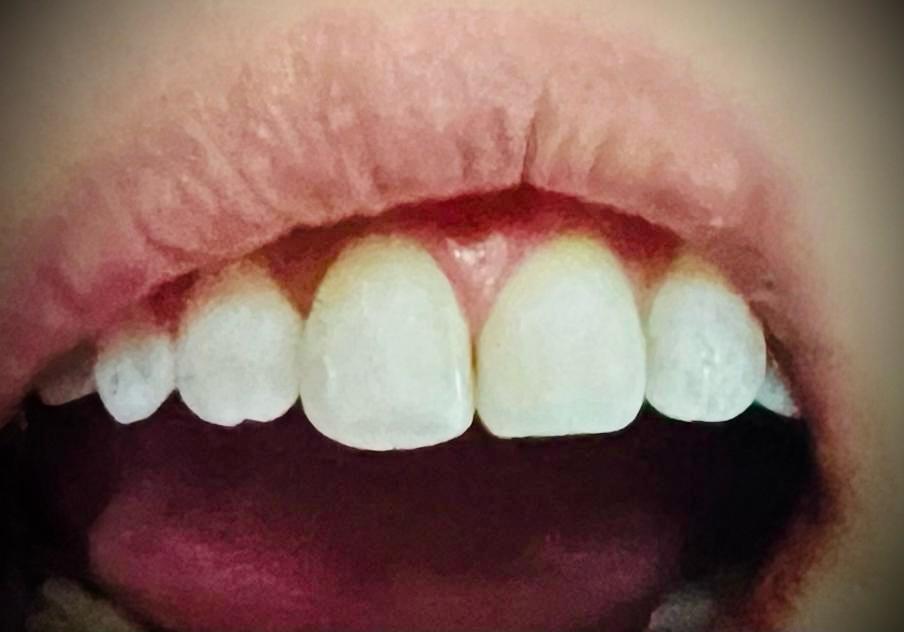
Dental resin is a composite material, similar to a high-quality plastic, that bonds directly to the surface of your natural tooth. Imagine you have a small crack in a ceramic cup — resin is like the material you use to fill and repair that crack so it's nearly invisible. In the clinic, we apply this material layer by layer, sculpting it to correct the shape, color, or size of the tooth.
This procedure is h
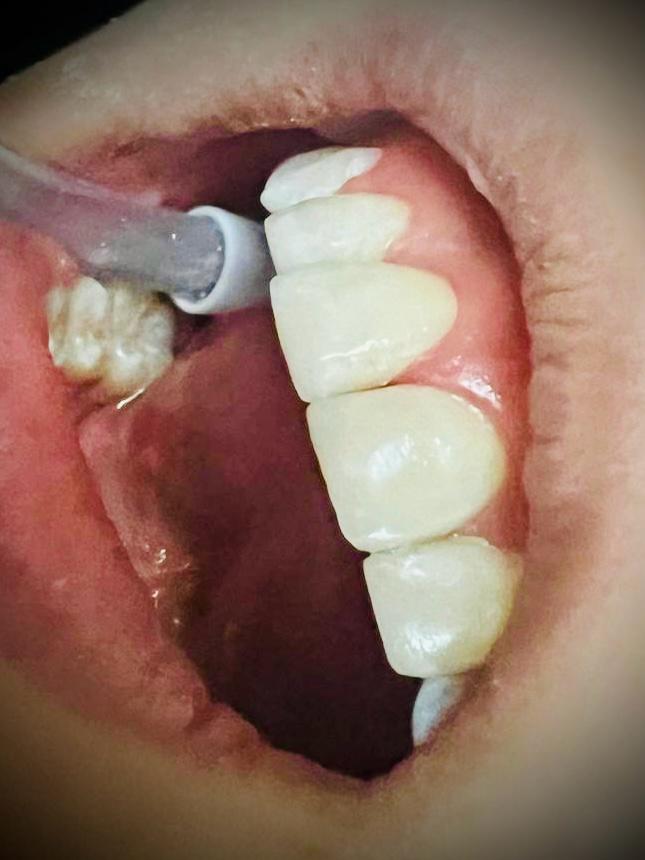
However, it's important to understand that resin is a material that, despite great advances, has limitations. It isn't as stain-resistant as ceramic and may require touch-ups over time. If wear is extensive or the tooth coloration is very dark, resin may not be enough to mask the underlying dentin. That's why during the evaluation, we check whether your tooth structure is sufficient to support this material without compromising its function.
What Are Veneers and How Do They Differ?
When we talk about veneers, we're referring to thin shells that are placed over the front surface of the tooth. While composite resin veneers do exist, when people use this term they're generally referring to porcelain or ceramic veneers. The fundamental difference with direct resin is the manufacturing process. Ceramic veneers are custom-designed in a dental laboratory and then cemented onto your teeth.
This process usually requires some initial tooth preparation. Unlike resin, where we sometimes don't touch the tooth at all, porcelain veneers require removing a thin layer of enamel so the shell fits perfectly and doesn't look bulky. This step is irreversible, so the decision should be made carefully. Veneers offer a superior aesthetic finish in terms of brightness and stain resistance. If you drink a lot of coffee or enjoy red wine, ceramic tends to hold its original color longer than resin.
It's common to hear that veneers are "for celebrities," but in reality they are a solid clinical option for anyone looking for a more dramatic transformation. If you have widely spaced teeth, heavily broken teeth, or discoloration that doesn't respond to whitening, veneers may be the solution. They do require more treatment time, as we typically need two or three visits: one for preparation and measurements, and another to place the final piece.
Durability and Maintenance: What to Expect From Each Option
This is where honesty is key. No dental treatment lasts "forever," and promising that would be irresponsible. Dental resin typically has a lifespan that varies significantly depending on patient habits. On average, we can expect durability ranging between 5 and 10 years, as long as it's well maintained. Resin is more porous than ceramic, which means it absorbs pigments more readily. If you smoke or consume dark beverages, you'll notice the color change sooner.
On the other hand, ceramic veneers have a documented high success rate in longitudinal studies, lasting more than 10 years — even 15 or more with proper care. They are more resistant to fracture and abrasion. However, that doesn't mean they're indestructible. If you have the habit of clenching your teeth (bruxism) or biting hard objects like nails or pens, both resin and veneers can break. In the clinic, we always evaluate whether you need a night guard to protect your investment.
Daily maintenance is just as important as the treatment itself. Brushing twice a day, using dental floss, and attending regular professional cleanings are the foundation for any restoration to last. A common mistake is thinking that because you have veneers, you don't need to take care of your gums. The health of the tissue surrounding the tooth is what determines whether the restoration will remain stable or whether sensitivity or recession will develop.
Tip: If you're planning to get professional teeth whitening, do it before getting resin restorations or veneers. The restoration material doesn't change color with whitening agents. If you whiten afterward, your natural teeth will become lighter than the restoration, creating a visible contrast.
Costs and Factors That Influence Your Decision
We understand that budget is a determining factor. In general terms, resin treatment represents a more accessible initial investment. It's one of the most cost-effective options in modern dentistry for improving aesthetics, as it doesn't require external laboratory work and is completed in a single visit. However, since it's a material that may require touch-ups or replacement more frequently, long-term cost can add up.
Ceramic veneers carry a higher initial cost. This is due to specialized craftsmanship, laboratory design, and the quality of ceramic materials. But when considering their greater durability and stain resistance, they often prove more cost-effective in the long run if your goal is a definitive solution. It's not about choosing the cheapest option — it's about choosing what aligns with your quality of life and maintenance expectations.
Additionally, cost varies depending on case complexity. A single tooth with a minor fracture is very different from a full smile makeover treatment. In the clinic, we evaluate how many teeth need to be treated and whether there are pre-existing conditions, such as cavities or gum issues, that need to be addressed first. We'll never give you a fixed price without examining your mouth, because every case is unique. What we can tell you is that cost transparency is part of our commitment to you.
When Is It Better to Choose One Over the Other?
The final choice doesn't only depend on what you want, but on what your teeth can actually support. If you have a small fracture, a minimal gap, or want to correct the shape of a tooth, dental resin is usually the first choice. It's less invasive and reversible. If in the future you decide to switch to ceramic veneers, resin can be an excellent intermediate step to see how you feel with the new shape.
On the other hand, if you're looking for a dramatic color change, have severely worn teeth, or need to close large gaps, porcelain veneers are the most predictable option. They're also ideal if you don't want to worry as much about food and drink stains in your daily life. However, this can only be confirmed during a clinical examination. Sometimes what seems like a simple fracture actually requires a crown on posterior teeth, or the structure is so compromised that resin wouldn't have enough hold.
Remember that in Monterrey, we live in a region with a dry climate, which can affect the hydration of oral mucous membranes and saliva production. Good saliva production is vital for protecting both resin restorations and veneers. If you have dry mouth, we need to address that first. Don't self-diagnose based on internet photos — what you see on social media doesn't always reflect the clinical reality of your mouth.
Practical summary
- Dental resin is ideal for minor corrections and is less invasive, with a lower initial cost.
- Ceramic veneers offer greater durability and stain resistance, but require tooth preparation.
- No treatment is permanent; both require rigorous hygiene and regular check-ups.
- Teeth whitening should be done before placing any type of aesthetic restoration.
- The final decision depends on an in-person clinical evaluation, not on how things look on social media.
Schedule a consultation via WhatsApp
References
- American Dental Association (ADA) — Dental Bonding. URL to be manually verified.
- American Dental Association (ADA) — Porcelain Veneers. URL to be manually verified.
- Journal of Esthetic and Restorative Dentistry — Veneer longevity studies. URL to be manually verified.
- Scientific Electronic Library Online (SciELO) — Durability studies of restorations in Mexican patients. URL to be manually verified.
- World Health Organization (WHO) — Oral Health. URL to be manually verified.
Dr. Yadira Garza — Dental Surgeon, UANL. 22 years of clinical experience. Professional license 4520593. Practicing at Especialidades Dentales, Monterrey, Nuevo Leon.
This article is for informational purposes only and does not substitute professional consultation.