
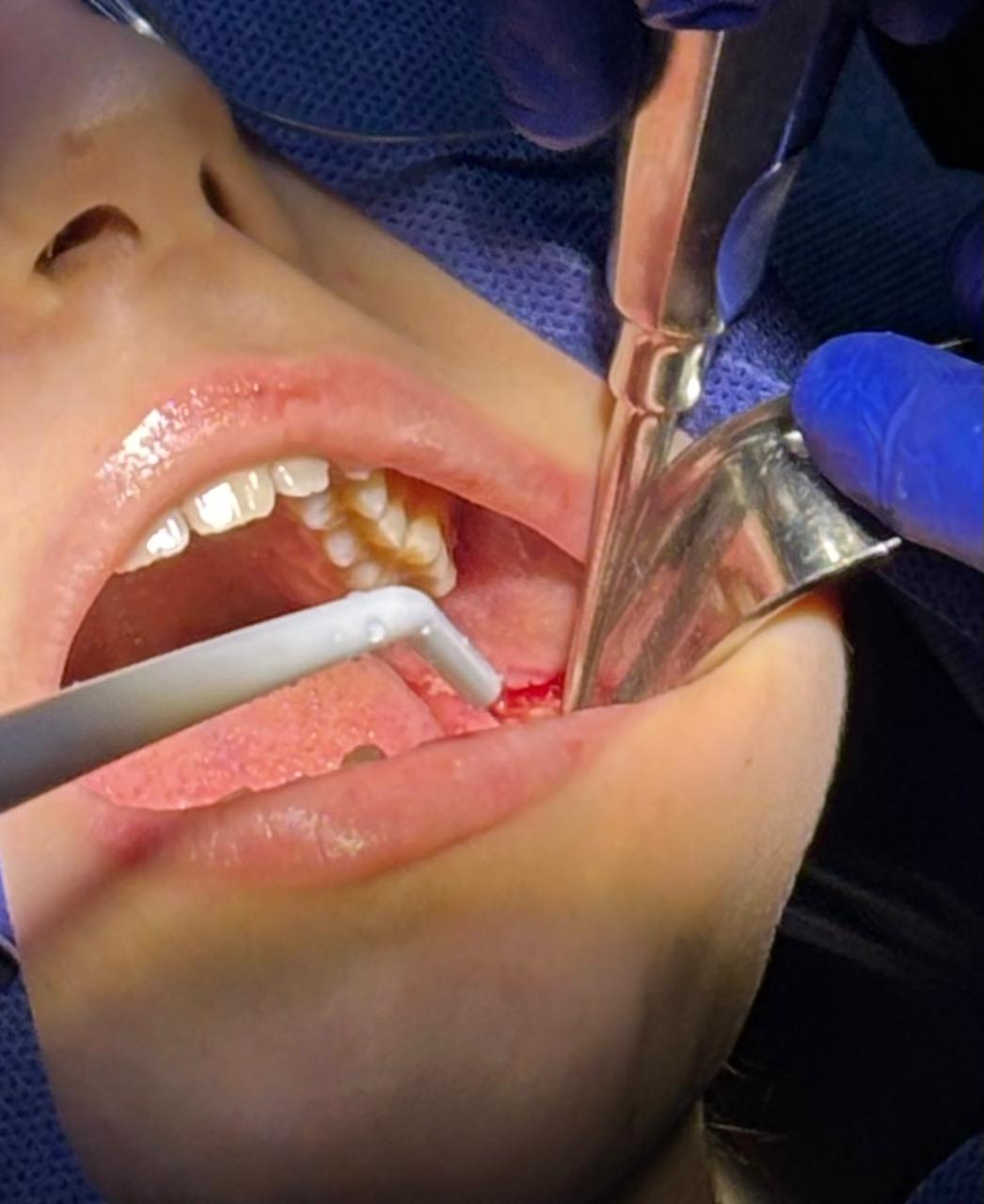
Maxillofacial surgery: which procedures it includes
Tag: Maxillofacial Surgery Read: 7 min
Many people associate maxillofacial surgery with a single procedure —taking out a wisdom tooth that doesn't want to come through—, but it is actually a much broader field. It covers everything related to bones, tissues and facial structures, including the jaw, maxilla, teeth and soft tissues of the mouth.
If you've been told you need a maxillofacial surgery consultation and still aren't clear on what it includes or when it's recommended, this article explains the most common procedures, why they are indicated and what the recovery process is like. Here in Monterrey we see patients who come in with questions similar to yours, and most of them leave with much more clarity than they arrived with.
What is maxillofacial surgery and when is it needed?
Maxillofacial surgery is the specialty that diagnoses and treats injuries, deformities and pathologies of the face, mouth and associated bone structures —jaw, maxilla, temporomandibular joint, paranasal sinuses—. The practitioner is a maxillofacial surgeon with specific training in dentistry and surgery, which allows them to intervene on bone as well as teeth and soft tissues.
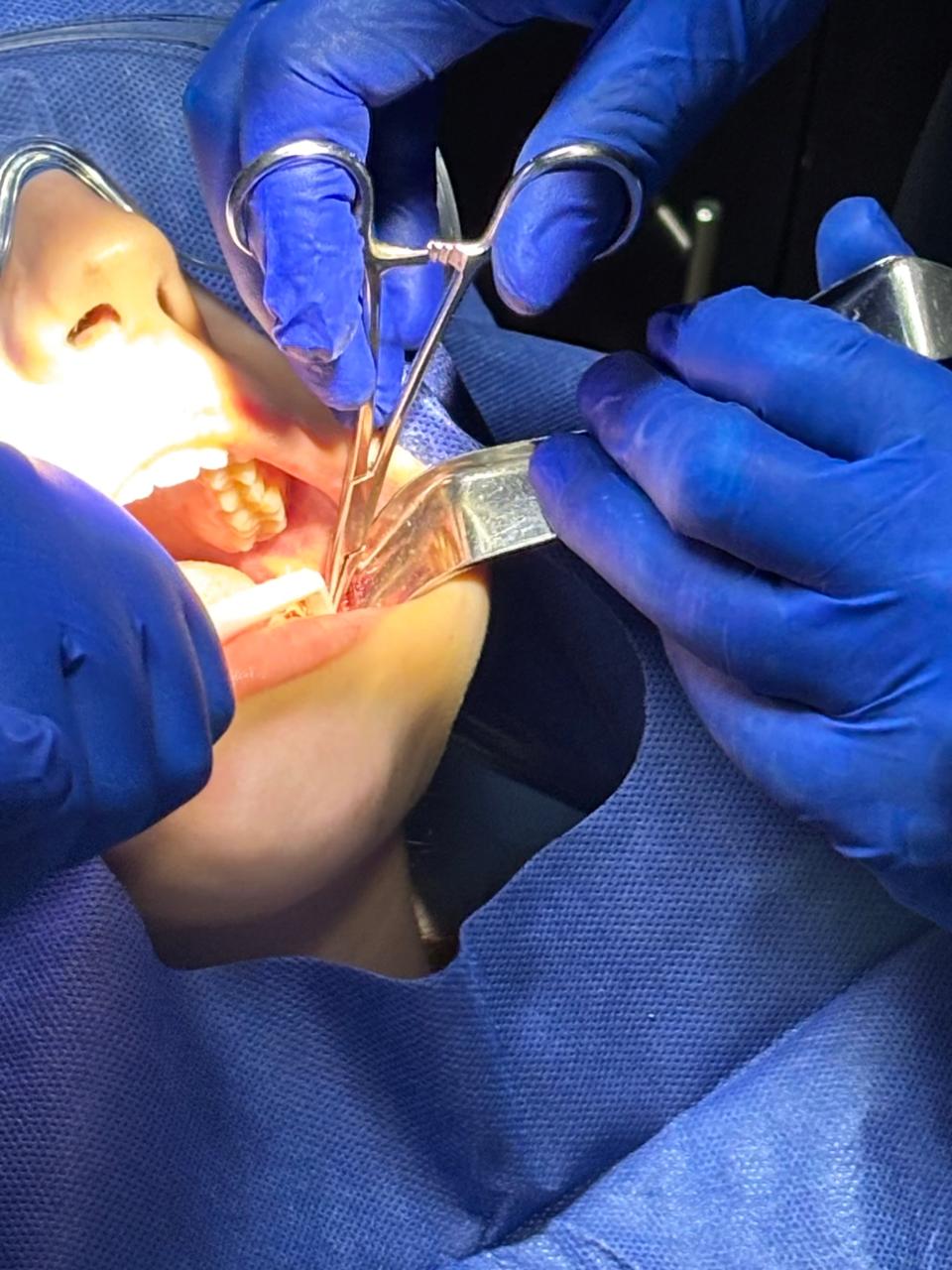
The most common reasons someone comes in for a consultation include impacted wisdom teeth, facial trauma, suspicious lesions in the mouth, severe bone loss that complicates a future implant, and bite problems that cannot be resolved with orthodontics alone.
Not every problem in the mouth requires surgery. What determines the need is a clinical evaluation: X-rays, examination and, in specific cases, a CT scan. Only after assessing the case is a surgical procedure recommended —and the reason it is necessary and what alternatives exist are always explained.
Important: If you've been referred to a maxillofacial surgeon, ask them to clearly explain what they expect to find and why surgery is the best option for your case. Never leave with doubts before signing a consent form.
Complex extractions and impacted third molars
Of all maxillofacial procedures, surgical extractions are the ones most patients experience firsthand. Third molars —the so-called wisdom teeth— often remain partially or fully retained within the bone, and that can cause recurring pain, pressure on neighboring teeth and, in some cases, infections.
Impaction doesn't always hurt right away. Many times the problem is discovered on a routine panoramic X-ray, when there are still no symptoms. The decision to extract depends on several factors: position of the tooth, proximity to the inferior alveolar nerve, risk of decay in the adjacent tooth and a history of previous episodes of pericoronitis.
Other complex extraction cases include teeth with curved roots, retained root fragments and fractured teeth that cannot be restored. In all of these scenarios, the surgical approach allows access to the tooth without damaging neighboring structures.
Our recommendation: A panoramic X-ray is the starting point for any third molar evaluation. If you don't have a recent one —less than a year old—, the surgeon will likely ask for it before giving you a plan.
Maxillofacial fractures and dental trauma
Facial trauma is another area where the maxillofacial surgeon intervenes. Falls, traffic accidents, sports impacts —any of these can fracture the jaw, maxilla, zygomatic bone or nasal bones. They can also cause dental avulsion, luxation or root fracture.
Signs that warrant urgent evaluation include:
- Pain and swelling that doesn't subside after the trauma
- Mobility or change in position of affected teeth
- Difficulty opening the mouth or biting
- Facial asymmetry or change in occlusion
- Persistent bleeding in the area
In mandibular fractures, treatment can range from reduction with intermaxillary fixation to open surgery with osteosynthesis plates, depending on severity. In maxillary or zygomatic fractures, CT evaluation is key to planning the approach.
In dental avulsion —when the tooth comes out completely due to impact—, time is critical. International dental trauma guidelines recommend reimplanting the tooth as soon as possible, ideally at the accident site, since the probability of reintegration to the bone decreases as time passes. That's why, in any significant dental trauma, it is advisable to seek evaluation as soon as possible.
Biopsies and lesions of the oral cavity
Not every lesion in the mouth is cancer, but any lesion that lasts more than two weeks without resolving deserves professional evaluation. White lesions (leukoplakias), red lesions (erythroplakias), persistent ulcers and nodules are common reasons for referral to a maxillofacial surgeon.
A biopsy consists of taking a small sample of tissue for histological analysis. It is indicated when the lesion has clinical characteristics that suggest it could be premalignant or malignant. This does not mean the diagnosis is cancer —a significant proportion of biopsies come back benign—, but confirming the diagnosis is the only way to rule out serious pathology.
The process is relatively quick and is done under local anesthesia in most cases. Depending on the size and location of the lesion, the procedure may require a broader approach. In all cases, the laboratory result determines the next step.
It's important to respect the gravity of this part of the work without minimizing it. Oral cancer exists, it is treatable when detected early, and a timely biopsy is the tool that enables early diagnosis. Postponing the evaluation of a persistent lesion is not a good decision.
Pre-prosthetic surgery and implant preparation
When someone loses teeth and wants to restore them with prostheses or implants, sometimes the bone or soft tissues are not in ideal condition to receive the treatment. That's where pre-prosthetic surgery comes in.
Common procedures in this category include:
- Alveolar ridge regularization —smoothing pointed bone edges that bother the prosthesis—
- Removal of frenula that tension the tissues
- Ridge augmentation with bone grafting when there is severe bone loss
- Maxillary sinus floor elevation to allow implants in the posterior maxilla
Implant preparation often requires ensuring there is sufficient bone in volume and quality. If there isn't, the graft is performed first and the integration time is allowed —generally several months— before placing the implant. It is a process that demands patience, but it allows the implant to have the right conditions to integrate into the bone.
Important note: A bone graft is not always necessary for an implant. It is only indicated when the CT evaluation shows that the available bone is not sufficient. Ask them to explain your specific case.
Preparation, surgery day and recovery
Arriving well-prepared for a maxillofacial procedure makes a difference in how it unfolds and how you recover. Before surgery, the surgeon explains the plan, indicates whether you need to fast, whether you should stop any medication and what documents or companions to bring on the day of the procedure.
On the day of surgery, the clinical team checks vital signs, confirms informed consent and administers anesthesia according to the case —local, sedation or general, depending on the procedure and the patient—. Duration varies: a surgical extraction can take 30 minutes, while a more complex approach may require more time.
After the procedure, postoperative care is part of the treatment, not an extra. The basics include:
- Applying cold to the area in the first 24 hours
- Soft and cold diet for the first few days
- Avoiding strong rinses that could dislodge the clot
- Not smoking —tobacco delays healing and increases the risk of complications—
- Taking the indicated medications as prescribed
- Attending follow-up appointments
Swelling usually peaks between the second and third day, and gradually subsides afterward. Pain is managed with common analgesics in most cases. If fever, persistent bleeding or pain that doesn't subside with medication appears, contact the surgeon immediately.
Close follow-up is what allows any complication to be detected in time. It's no exaggeration to say that the postoperative phase weighs as much as the procedure itself in the final outcome.
Practical summary
- Maxillofacial surgery covers everything from complex extractions to facial fractures, biopsies and implant preparation —it's not just "pulling teeth".
- Impacted third molars are the most common procedure, but the decision to extract depends on clinical evaluation with X-rays, not a fixed calendar.
- Any lesion in the mouth that lasts more than two weeks without resolving deserves professional evaluation; a timely biopsy is the key tool to rule out serious pathology.
- Pre-prosthetic surgery and bone grafting prepare the ground for prostheses and implants when the bone or tissues are not in ideal condition.
- Postoperative follow-up is part of the treatment: swelling and pain are expected, but fever or persistent bleeding require immediate contact with the surgeon.
CTA: Do you feel your case needs a maxillofacial surgery evaluation? Message us on WhatsApp and schedule your consultation at Centro Médico Obispado.
References
- American Association of Oral and Maxillofacial Surgeons — Definition of the specialty and parameters of care. URL to be verified manually.
- American Dental Association — Oral cancer screening and biopsy. URL to be verified manually.
- International Association of Dental Traumatology — Guidelines for managing dental avulsion. URL to be verified manually.
- World Health Organization — Oral cancer: early detection and prevention. URL to be verified manually.
- Colgate Professional — Postoperative care and third molar extraction. URL to be verified manually.
- Cochrane Library — Management of dental trauma. URL to be verified manually.
- NOM-013-SSA2-2015 — Mexican Official Standard for the prevention and control of oral diseases. URL to be verified manually.
Dra. Yadira Garza — Dental Surgeon, UANL. 22 years of clinical experience. Professional license 4520593. Professional practice at Especialidades Dentales, Monterrey, Nuevo León.
This article is for informational purposes and does not replace a professional consultation.