
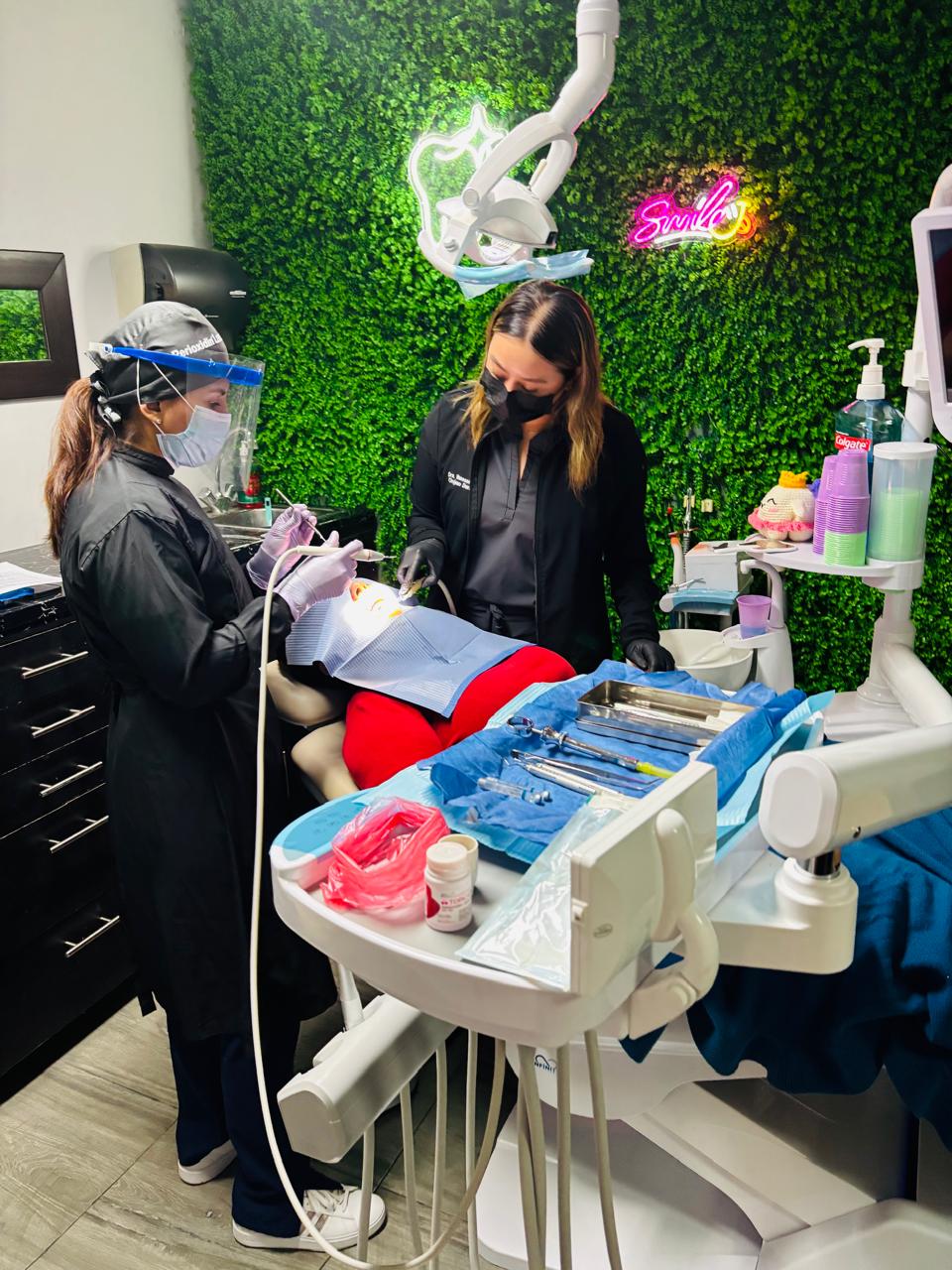
When a patient tells me "I'm here for a cleaning," I usually respond with a question that sometimes catches them off guard: which type? It's not a whim. Dental cleaning is not a single procedure but a family of treatments with different goals, and choosing the right one depends on the condition of your gums — not on what you want to pay or the promotion of the month.
Here in Monterrey I see two opposite profiles every day: the patient who gets a prophylaxis every six months and keeps healthy gums, and the one who hasn't been to the dentist in years and arrives with bleeding when brushing, thinking a "quick cleaning" will solve everything. This article helps you figure out which group you're in and which type of cleaning you need before you schedule.
What is a dental cleaning and why aren't they all the same?
Dental cleaning, in clinical terms, aims to remove bacterial plaque and calculus (tartar) that accumulate on teeth and around the gums. Plaque is a soft film that forms every day; calculus is plaque that has mineralized and no longer comes off with a toothbrush. While plaque is controlled at home with daily hygiene, calculus can only be removed with professional instruments.
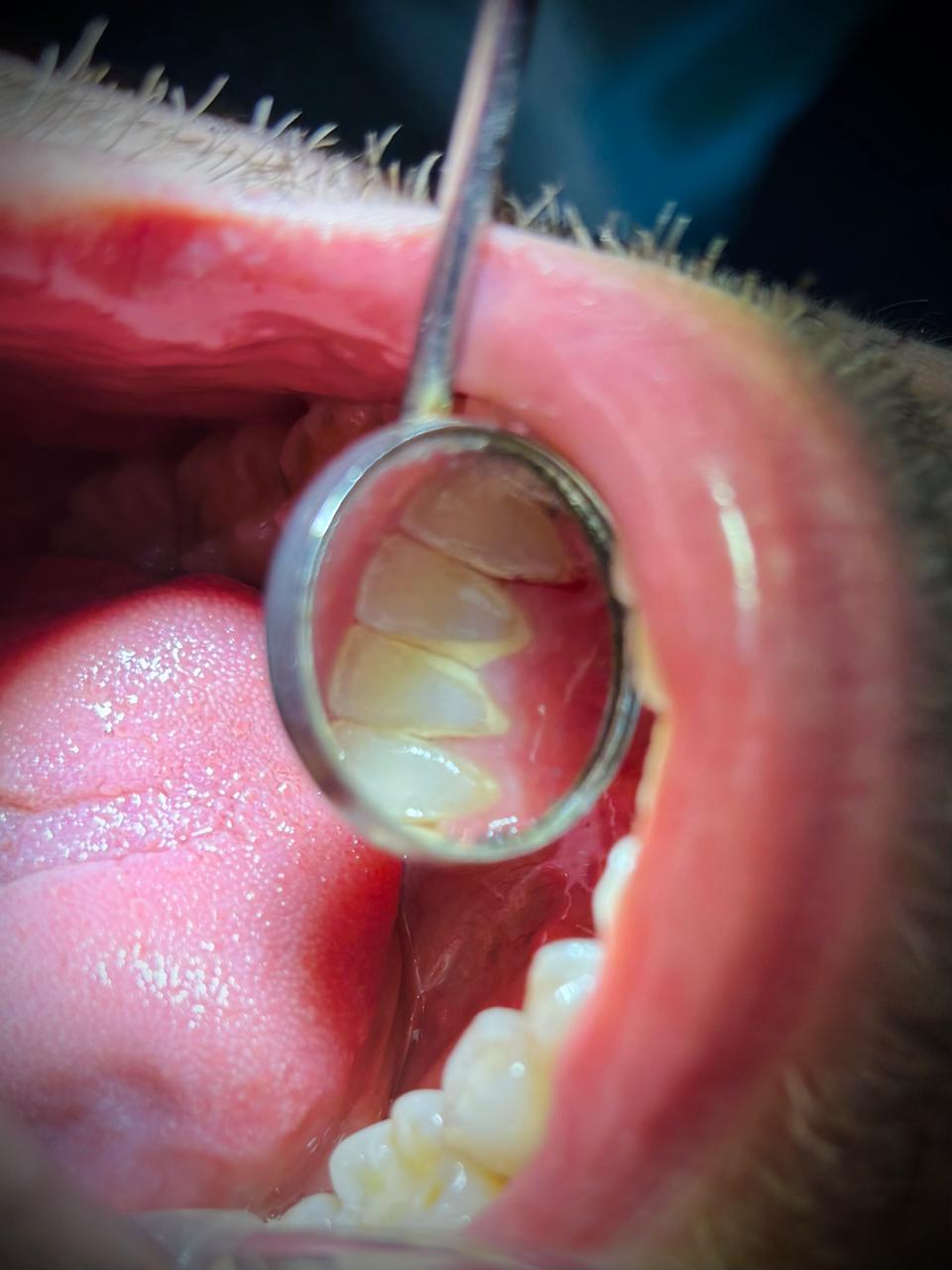
That's where the difference begins. If your gums are healthy, calculus concentrates near the gumline and a prophylaxis is enough. But when there is gingival inflammation or periodontal pockets, calculus migrates below the gumline, where superficial scaling can't reach it. That's why different procedures exist: cleaning the surface is not the same as disinfecting the gingival sulcus and the root.
To give you an idea, the difference is not only in depth but in purpose. Prophylaxis prevents; scaling and root planing treats a disease that is already established. Confusing one with the other leads to two common mistakes: asking for a deep cleaning when you don't need one, or settling for a prophylaxis when your gums need something else.
Dental prophylaxis: the routine cleaning for healthy gums
Prophylaxis is the procedure most people picture when they talk about a "cleaning." It is performed on healthy gums or mild gingivitis, and consists of removing supragingival plaque and calculus — meaning the kind above the gumline — along with surface stains. Here in the office we use an ultrasonic scaler to fracture the calculus, followed by hand instruments to polish the tooth surface.
The procedure takes 30 to 45 minutes, does not require anesthesia, and most patients leave without significant discomfort. At the end we polish the teeth with a prophylaxis paste to leave the surface smooth, because a polished surface retains less plaque than a rough one.
Prophylaxis is maintenance. It does not cure established periodontal disease or close pockets. That's why before any cleaning we perform a probing: we measure the gingival sulcus around each tooth. If the measurements are within a healthy range, we proceed with prophylaxis. If there are pockets, the plan changes.
Important: Periodontal probing is painless and takes only a few minutes. If your dentist skips it and goes straight to cleaning without checking your gums tooth by tooth, you're receiving an incomplete procedure. Always ask for it.
Scaling and root planing: when a deep cleaning is indicated
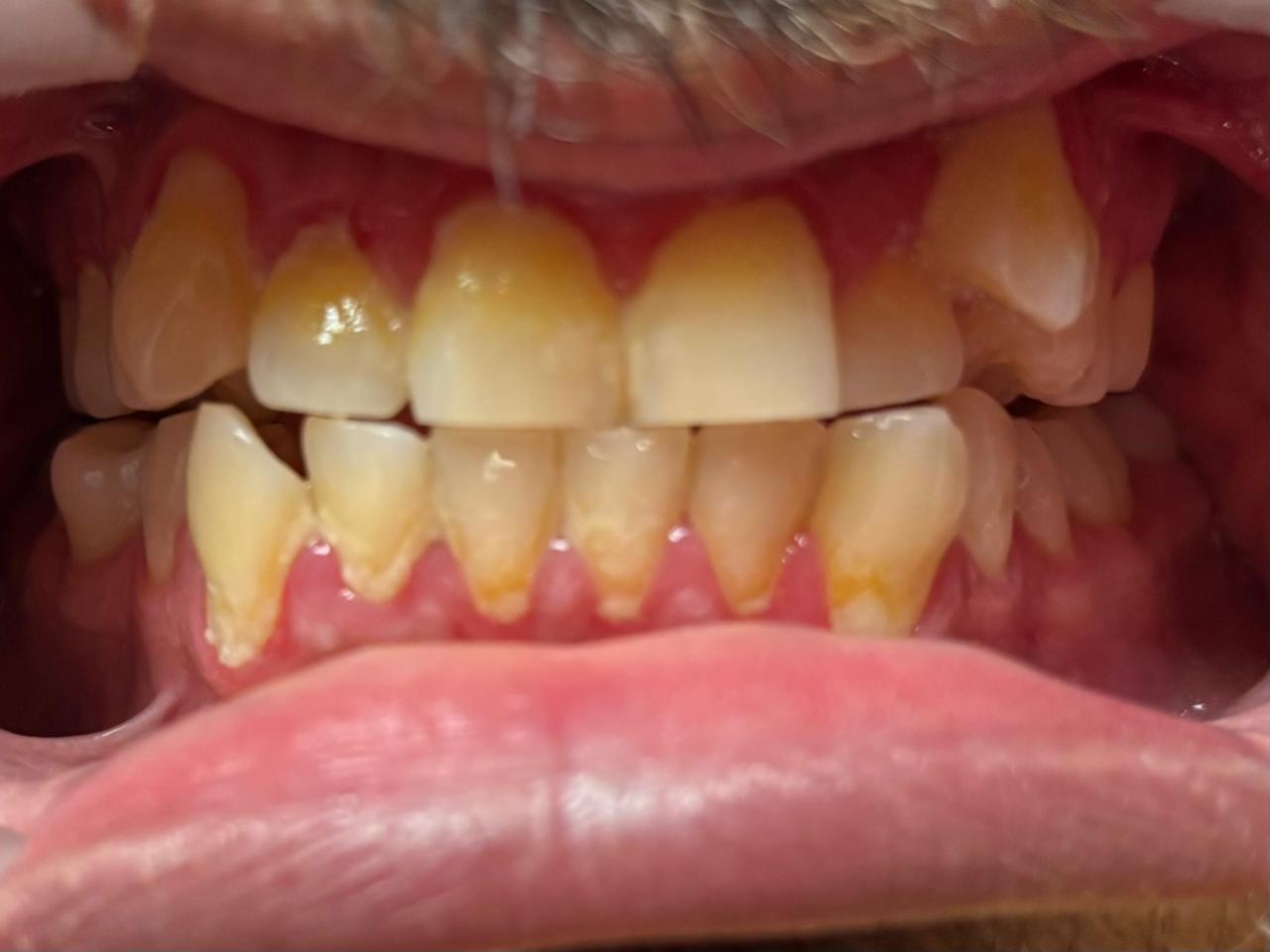
When probing reveals periodontal pockets — sulci of 4 millimeters or more between the gum and the tooth — prophylaxis is no longer sufficient. Subgingival calculus, the kind that hides beneath the gumline, cannot be reached with routine instruments. To remove it, scaling and root planing is indicated, popularly known as deep cleaning.
Scaling removes calculus from the crown and the root of the tooth; root planing smooths the root and removes infected tissue from inside the gingival sulcus. The goal is to restore the root to a clean, smooth surface so the gum can reattach. It is generally performed by quadrant — the mouth is divided into four zones — and usually requires local anesthesia, because working on an exposed root without numbing the area is uncomfortable.
It's important to understand that scaling and root planing is not "a stronger prophylaxis." It is a treatment for periodontal disease, with a different follow-up plan. After root planing, the healing gum changes color and shape: it recedes slightly, which can cause temporary sensitivity and make the spaces between teeth feel wider. This is not damage; it is part of the recovery.
Signs you need more than a prophylaxis
There are symptoms that no prophylaxis will resolve on its own, and it's worth recognizing them before asking for "a cleaning" as if they were all the same:
- Bleeding when brushing or flossing — it is not normal for gums to bleed with gentle brushing. Gingivitis is the most common cause, but persistent bleeding can indicate periodontitis that is already established.
- Swollen, red, or tender gums — healthy gum tissue is pink, firm, and painless. Sustained inflammation is a sign that there is active irritation underneath.
- Tooth mobility — if a tooth feels loose, something is compromising the bone that supports it. This can only be confirmed in a clinical exam with an X-ray.
- Persistent bad breath — halitosis that doesn't improve with hygiene can come from periodontal pockets where bacteria accumulate beyond the reach of a toothbrush.
- Gum recession — when the gum pulls back and exposes the root, there is often periodontal disease underneath.
If you recognize two or more of these signs, don't just schedule a prophylaxis and move on: schedule an assessment. This can only be confirmed in a clinical exam, because many of these conditions share symptoms with other problems and the diagnosis requires looking at the tooth, probing the gum, and, depending on the case, taking an X-ray.
How often should you get a cleaning based on your gum health
The "every six months" rule works for healthy gums with good home hygiene. It is the interval that most of the literature supports for maintenance prophylaxis. But it is not universal.
A patient with treated periodontal disease typically needs maintenance every three to four months. The reason is biological: the bacteria that colonize periodontal pockets repopulate within that timeframe, and waiting six months allows the infection to recur. That's why after scaling and root planing, the maintenance plan changes.
Patients with additional risk factors — smoking, poorly controlled diabetes, orthodontic appliances, pregnancy — may also need to shorten the interval. The frequency is determined by the person examining your mouth, not by a generic calendar. The most common mistake is assuming that because it doesn't hurt, there's no need to go.
Office tip: If you wear braces or clear aligners, plaque retention around the attachments is higher. In those cases it's worth shortening prophylaxis to every four months even if your gums are healthy.
What to expect during the procedure and immediate post-op
With a prophylaxis the post-operative period is almost nonexistent. Thermal sensitivity for a few hours is the most you can expect, and it's managed by avoiding very cold or very hot drinks the same day. The next day your routine is normal.
After scaling and root planing things are different. The usual pattern is sensitivity to cold for one to two weeks, some discomfort when chewing in the first few days, and light bleeding when brushing the treated area. We recommend a soft-bristled toothbrush, careful hygiene technique, and avoiding hard or very hot foods for the first three days. Most patients resume their routine within a week.
In the office we provide written post-operative instructions, because much of the recovery depends on what you do at home in the following days. A well-done deep cleaning loses its effect if daily hygiene doesn't keep up.
Dental cleaning at Centro Médico Obispado: book your assessment
We see patients at Especialidades Dentales, inside Centro Médico Obispado, in Monterrey. The area is easily accessible for those coming from the metropolitan area and from Nuevo León. Before any cleaning we perform a clinical assessment with probing, because determining the correct type of cleaning comes first: it makes no sense to apply a routine procedure to a mouth that needs something else.
We work with ultrasonic scalers and hand instruments, and the treatment plan is explained before we begin. If what you need is a prophylaxis, it's done in a single appointment. If you need scaling and root planing, we outline the plan by quadrant and the follow-up maintenance.
Not sure which type of cleaning you need?
Book your assessment via WhatsApp and we'll figure it out in consultation. No obligation.
Book appointment via WhatsApp →Practical summary
- Dental cleaning is not a single procedure: prophylaxis, scaling and root planing are different treatments for different gum conditions.
- Prophylaxis is maintenance for healthy gums; scaling and root planing treats periodontal disease with pockets and subgingival calculus.
- Bleeding, inflammation, mobility, and persistent bad breath are signs that a prophylaxis won't be enough.
- Cleaning frequency is determined by your gum health: every six months for healthy gums, every three to four months for treated periodontal disease.
- Periodontal probing is essential before any cleaning. If it's not done, the procedure is incomplete.