
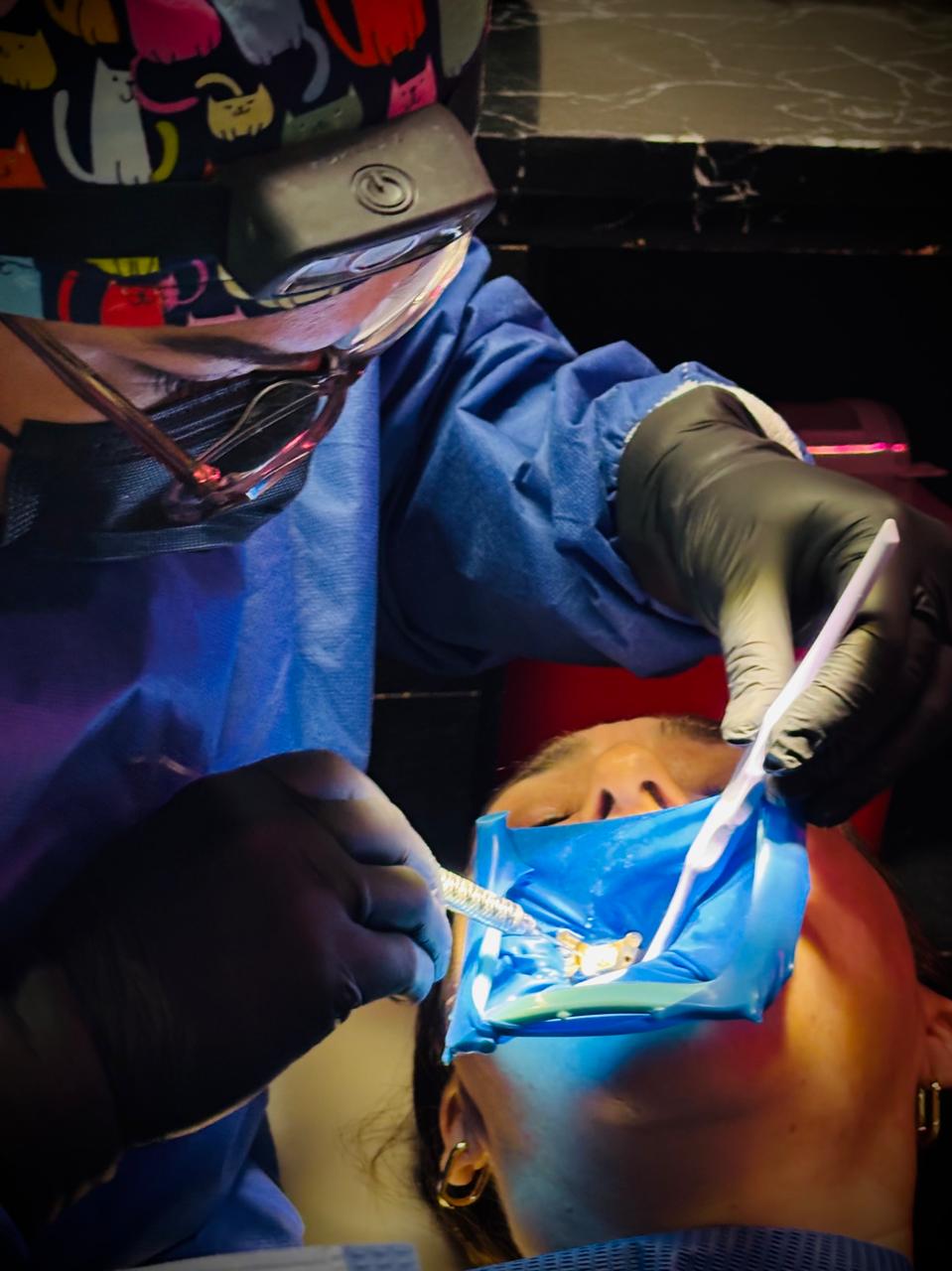
Being woken up at three in the morning by a stabbing pain in a molar is one of the most desperate experiences you can go through. I know because at our office in Centro Médico Obispado, we take calls at all hours from patients in Monterrey who can't take it anymore. A toothache is not something you should put up with "until it goes away"; it is a signal that something needs attention, and the sooner we find out what it is, the better.
In this guide I want to help you identify the most common causes of dental pain, tell the difference between a passing discomfort and a real urgency, and know exactly what to do while you make your way to the appointment. It is not meant to scare you; it is so you can make informed decisions and get to the dentist with confidence, not fear.
Why does your tooth hurt? The 7 most common causes
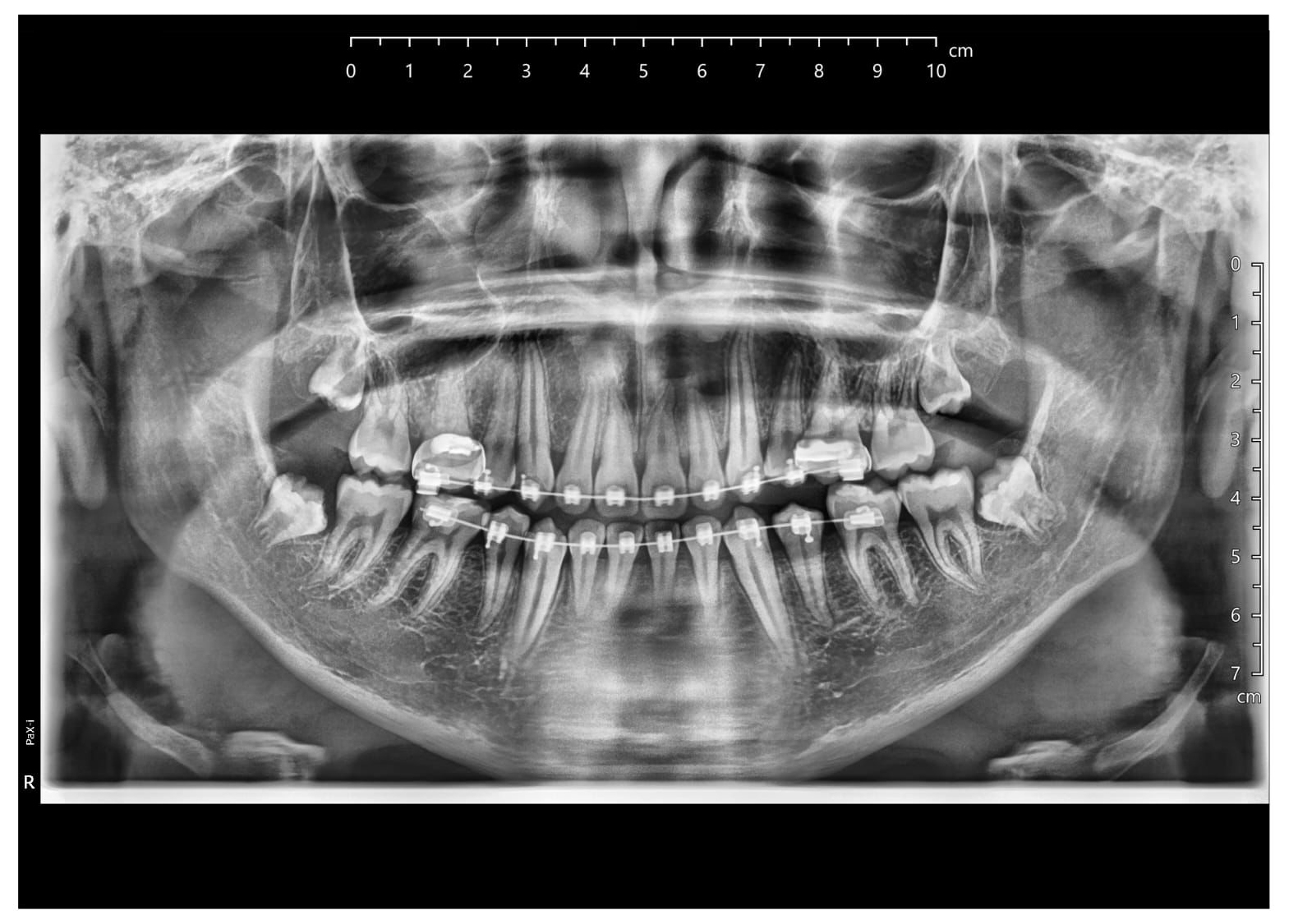
When a patient tells me "my tooth hurts," the first thing I do is ask precise questions: Is the pain constant, or does it strike with cold? Does it wake you at night? Do you feel it when you chew? Those answers give me direction, but the definitive diagnosis comes from the clinical exam and the X-ray. Even so, the source of dental pain almost always fits one of these seven causes:
- Tooth decay: the number one cause, no question. Bacteria destroy the enamel and reach the tooth's pulp, where the nerves are.
- Tooth sensitivity: an acute but brief reaction to cold, heat, or sweets, without decay necessarily being present.
- Bruxism: teeth grinding, especially at night, which wears down and cracks the teeth.
- Gum disease (gingivitis or periodontitis): when the infection is in the gum and the bone that holds the tooth.
- Pulpitis (inflammation of the pulp): a direct consequence of untreated deep decay. The pain becomes constant and throbbing.
- Impacted wisdom teeth: when a wisdom tooth has no room to come in and pushes against the neighboring molar or stays trapped in the gum.
- Tooth fracture or crack: a crack invisible to the naked eye, sometimes from a blow or from biting something hard, that exposes the inside of the tooth.
The pain you feel does not come out of nowhere. Each of these causes has a different mechanism and, therefore, a different treatment. That is why a home remedy that reliefed your neighbor may not work for you: you don't share the same diagnosis.
Tooth decay: the number one cause of toothache
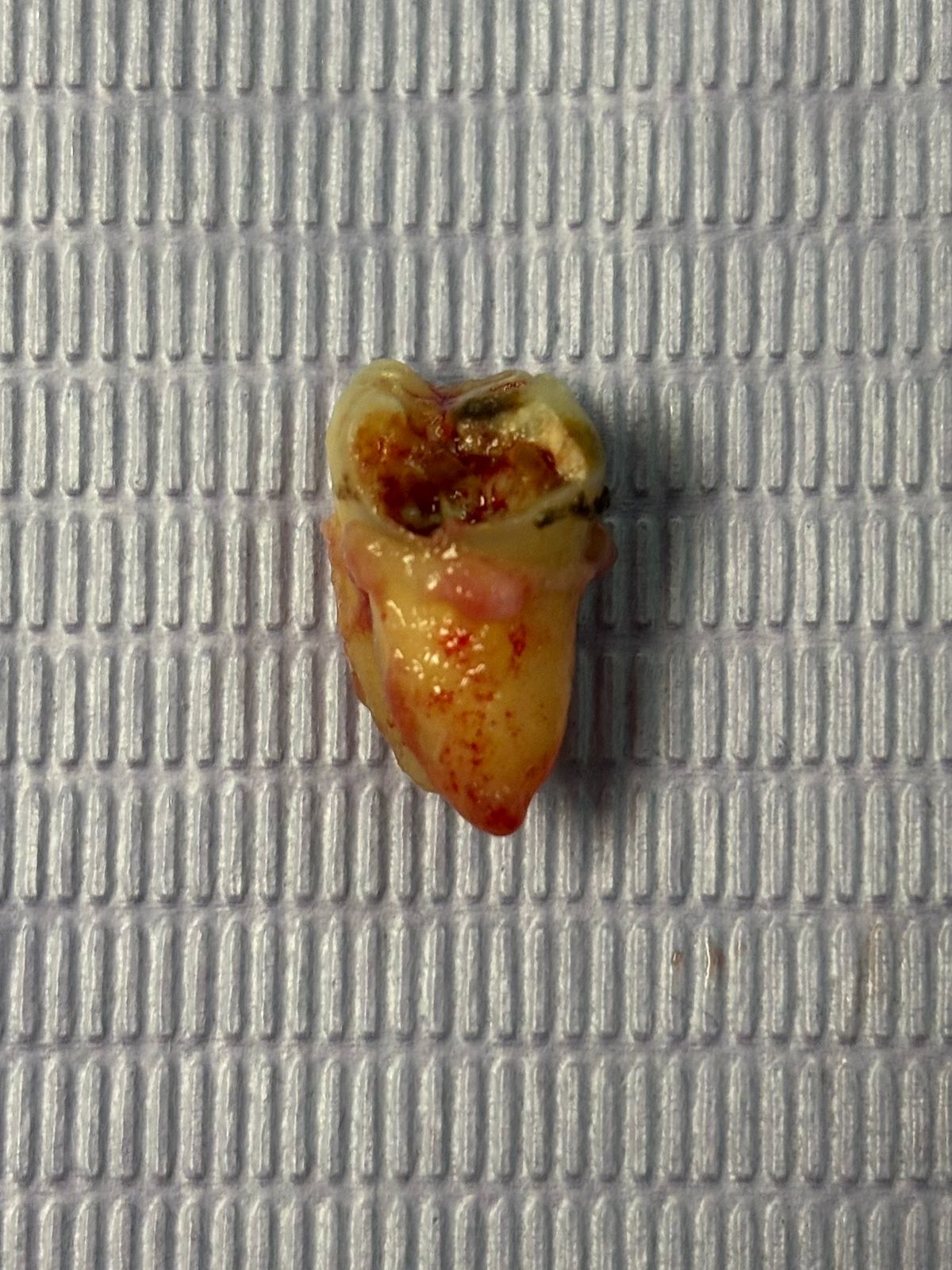
If I had to pick a single cause of dental pain, it would be tooth decay. It is responsible for most of the pain-related visits we receive at the clinic. Decay is a demineralization process: the bacteria that live in your mouth feed on the sugars in what you eat and produce acids that dissolve the dental enamel, layer by layer, until they open a tunnel toward the pulp.
The problem is that enamel has no nerve endings. It doesn't hurt while it is being destroyed. Pain appears when the cavity breaks through the enamel and reaches the dentin —the second layer, which is sensitive— or, worse still, the pulp, where the nerve is. By then, the cavity is already deep and the treatment is no longer a simple filling; it may require a root canal.
Pain from decay has a recognizable pattern. At first it is a provoked pain: sweets, cold, or heat set it off, and it disappears once the stimulus is removed. As the cavity advances, the pain becomes spontaneous, constant, and more intense, especially at night when you lie down, because blood pressure in the head increases when you are horizontal and compresses the inflamed nerve inside that closed, rigid pulp chamber that cannot expand.
The good news is that decay is predictable, and preventing it costs far less than treating it. A professional ultrasonic cleaning every six months removes the tartar where bacterial plaque builds up, and periodic checkups allow early cavities to be detected before they hurt. At Especialidades Dentales we offer this service and recommend it as part of your preventive routine.
Tooth sensitivity vs. real pain: how to tell them apart
This is one of the points that causes the most confusion at the office. Many patients come in saying "my tooth hurts" when what they actually have is tooth sensitivity, and just as many downplay a real pain believing it is "just sensitivity." Clearing up the difference changes the prognosis.
Tooth sensitivity is characterized by being acute, brief, and provoked. You feel a painful "jolt" on contact with something cold, hot, sweet, or acidic, but the pain goes away almost immediately when the stimulus is removed. It doesn't wake you at night. It isn't constant. It is usually caused by the gum receding and leaving the tooth root exposed, or by the enamel thinning due to wear or abrasion.
Real pain is different. It can be constant, sharp, throbbing. It can appear without any obvious stimulus, wake you when you lie down, and it doesn't ease easily. This pain means the nerve inside the tooth is inflamed or infected, and it does not resolve on its own. Ignoring it does not make it go away; it makes it worse.
For sensitivity there are desensitizing toothpastes and varnishes that we apply at the office to seal the exposed dentinal tubules. For real pain, treatment depends on the diagnosis: anything from a filling to a root canal or extraction of the affected tooth. The difference is so important that a visit to confirm which of the two you are experiencing is worth it.
Toothache from bruxism: the nighttime grinding that damages your teeth
Bruxism is one of the major culprits behind dental pain that is rarely mentioned in patient guides. It consists of clenching or grinding your teeth, usually during sleep, unconsciously. Many people don't know they do it until a dentist shows them the wear on their teeth, or until the pain forces them to seek help.
Pain from bruxism feels different. It is not the typical cold/heat pain of a cavity. It is a dull ache, muscle fatigue in the jaw, stiffness when you wake up, and sometimes a morning headache, especially around the temples. The molars may become tender when chewing because the enamel has been worn down by constant friction.
The problem with bruxism is not just the immediate pain. Over time, grinding fractures restorations, cracks teeth, speeds up bone loss around the teeth and, in advanced cases, can cause temporomandibular joint (TMJ) problems. Luckily, treatment is relatively simple: a custom-made night guard protects the teeth from direct contact and reduces muscle tension. We make it at the office and fit it to your bite.
If you wake up with a tired jaw or a headache that fades during the day, mention these symptoms at your next checkup. It is a diagnosis that often goes unnoticed, and treating it completely changes your quality of life.
Swollen, bleeding gums: when the pain comes from the gum
Not all dental pain comes from the tooth itself. The gum is a sensitive, well-vascularized tissue that responds to the buildup of bacterial plaque with inflammation and bleeding. When gingivitis —the initial inflammation of the gum— goes untreated, it progresses to periodontitis, a more serious disease that affects the bone that supports the teeth.
Pain of gum origin has its own signature. Patients describe it as a diffuse discomfort, not localized in a single tooth, accompanied by bleeding when brushing, red or purplish gums, and sometimes persistent bad breath. In advanced cases of periodontitis, teeth can feel loose or shift out of position, and the gums can recede, exposing roots that are more sensitive.
Treatment depends on the stage. With gingivitis, a professional ultrasonic cleaning to remove tartar above and below the gumline, along with hygiene instructions, usually reverses the problem completely. With periodontitis, scaling and root planing may be necessary —a deeper cleaning along the roots— and in severe cases, periodontal surgery.
The fact that surprises my patients most is that periodontal disease does not hurt until its later stages. Bleeding is the early warning sign many people ignore because "it doesn't hurt." If your gums bleed when you brush, that is no minor detail: it is the most useful signal you have to act before the inflammation reaches the bone.
Is the pain keeping you from sleeping?
We treat dental emergencies in Monterrey at Centro Médico Obispado. Message us on WhatsApp and we'll tell you what to do while we schedule your appointment.
Message us on WhatsApp →When is a toothache a dental emergency?
Learning to tell the difference between a discomfort that can wait and an urgency that can't is one of the most useful skills you can build. Not every tooth problem is an emergency, but there are warning signs you should not ignore.
Consider it a dental emergency if you have any of the following signs:
- Severe, unbearable pain that does not respond to over-the-counter pain relievers and keeps you from sleeping or going about your normal activities.
- Visible facial swelling: a puffy cheek, a swollen lip, or swelling extending toward the eye or the neck. This could mean an abscess that is spreading.
- Fever alongside the tooth pain, a sign that the infection has become systemic.
- Difficulty breathing or swallowing: an absolute emergency that requires immediate medical attention, not just dental.
- A tooth that becomes loose or has been knocked out by a recent injury; if you get to the dentist in time, in some cases it can be reimplanted.
- Persistent bad taste or pus in the mouth, which indicates a dentoalveolar abscess requiring drainage and antibiotic treatment.
The dental abscess is the complication we fear most. When the infection inside the pulp advances unchecked, pus collects at the tip of the root and forms a pocket that hurts intensely and can spread through the facial spaces. It is no exaggeration to say that an untreated abscess can have serious consequences: the infection can reach the deep spaces of the neck and, in extreme cases, compromise the airway. That is why, with facial swelling accompanied by fever, the recommendation is clear: seek immediate care.
If you don't have any of these signs, but the pain is bothersome, you can schedule a regular appointment. The difference between an emergency and a scheduled visit lies in how severe the symptoms are and how fast the underlying problem is progressing. If in doubt, message us: that's what we're here for.
What to do while you wait for your appointment (and what NOT to do)
There are things you can do to manage the pain safely while you wait for your visit, and there are others that, although they may seem logical, make the problem worse. Let's start with what does help:
What You CAN Do
- Warm saltwater rinses: half a teaspoon of salt in a glass of warm water, rinsing gently several times a day. It cleans the area and helps reduce inflammation.
- Cold compresses on the cheek: an ice pack wrapped in a cloth, applied for 15 minutes on and 15 minutes off. It reduces swelling and numbs the area. Do not apply heat if there is swelling: heat can spread the infection.
- Over-the-counter pain relievers: ibuprofen or acetaminophen as directed on the package. They control the pain temporarily, but they do not cure the cause.
- Gentle brushing of the area: keep up your hygiene with a soft-bristled brush. Built-up plaque makes the problem worse.
- A soft, lukewarm diet: avoid foods that require heavy chewing, temperature extremes, or too much sugar.
What You Should NOT Do
- Do not place aspirin directly on the gum or tooth: aspirin is acidic and will burn the soft tissue, worsening the pain and injuring the gum.
- Do not apply heat to your cheek if there is swelling: heat can spread an existing infection toward the deep spaces of the face.
- Do not use alcohol or purely alcohol-based rinses: it irritates the tissues and does not fix the cause.
- Do not try to drain an abscess at home: opening the area with non-sterilized instruments introduces bacteria and can spread the infection.
- Do not postpone the visit "until it goes away": the pain may subside temporarily when the nerve dies, but the infection keeps advancing. The absence of pain is not the same as health.
These measures are palliative, not curative. A toothache almost never goes away on its own; it needs a professional diagnosis and treatment. The sooner you come in, the more conservative and less costly the approach will be, and the better the chances of saving the tooth.
Practical Summary
- Tooth decay is the most common cause of toothache, but not the only one: sensitivity, bruxism, gum disease, and pulpitis can also be behind it.
- Sensitivity = brief, provoked pain. Real pain = constant or spontaneous pain that does not let up. The second requires professional attention without delay.
- If there is facial swelling, fever, or difficulty breathing or swallowing, it is a dental emergency that cannot wait.
- What is safe at home: warm saltwater rinses, cold compresses, and pain relievers. What is dangerous: aspirin on the gum, heat on swelling, or trying to drain an abscess yourself.
- Prevention works: ultrasonic cleanings every six months and regular checkups make it possible to catch problems before they hurt.
A toothache almost always has a solution. The question is not whether it can be treated, but how much time you let go by before treating it. At Centro Médico Obispado we are here to help you end the pain and, above all, keep it from coming back.
Toothache right now?
We treat dental emergencies at Centro Médico Obispado, Monterrey. Message us on WhatsApp and we'll guide you right away.
Message us on WhatsApp →